
Dracaena Care
Striking architectural plants with colorful foliage that tolerate low light and purify air.
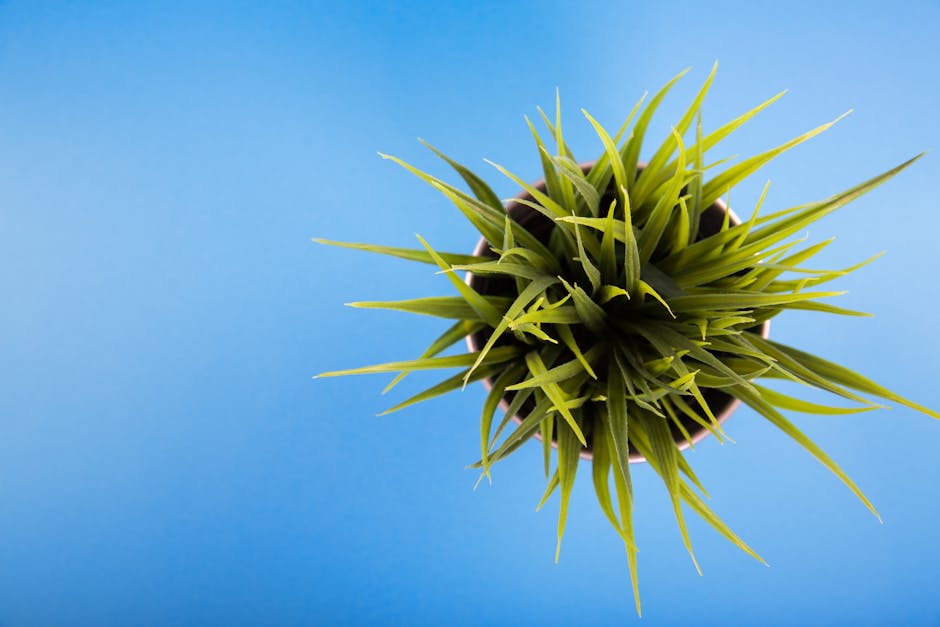
Dracaenas are perfect statement plants with striking, often colorful foliage that adds architectural interest to any room. They’re surprisingly easy to care for and excellent air purifiers.
Basic Care
Light: Very adaptable. Thrives in low to bright indirect light, though colorful varieties need more light to maintain vibrant colors.
Water: Allow top inch of soil to dry between waterings. Very tolerant of inconsistent watering.
Growth: Slow to moderate growers that can reach 6+ feet indoors over time.
Air purification: Excellent at removing common household toxins.
Popular Varieties
Green varieties:
- Janet Craig: Dark green, low-light tolerant
- Lisa: Glossy green leaves, very hardy
- Compacta: Compact version with thick, clustered leaves
Colorful varieties:
- Marginata: Green with red edges, most common
- Colorama: Green, red, and pink stripes
- Lemon Lime: Bright yellow and green stripes
- Warneckii: Green with white stripes
Large varieties:
- Fragrans (Corn Plant): Wide leaves, can bloom indoors
- Deremensis: Multiple stems, tree-like appearance
Light and Color Relationship
Dracaenas adapt to different light levels, but this affects their appearance:
Low light:
- Green varieties thrive
- Colorful varieties may fade
- Slower growth
- More tolerant of watering mistakes
Bright indirect light:
- Colors intensify
- Faster growth
- More compact growth
- Higher water needs
Pruning and Shaping
Dracaenas respond excellently to pruning:
Height control:
- Cut main stem at desired height
- Plant will branch below the cut
- Cut portion can be rooted
Bushier growth:
- Remove growing tips
- Encourages multiple branches
- Creates fuller appearance
Best timing:
- Spring or early summer
- When plant is actively growing
- Avoid winter pruning
Air Purification Benefits
NASA Clean Air Study results for dracaenas:
- Formaldehyde: Found in carpets, furniture
- Benzene: From plastics, synthetic materials
- Trichloroethylene: From cleaning products
- Xylene: From paint, varnishes
This makes them excellent for:
- Bedrooms and living areas
- Home offices
- Newly furnished rooms
- Areas with synthetic materials
Water Quality Considerations
Dracaenas are sensitive to:
- Fluoride: Causes brown leaf tips
- Chlorine: Can stress the plant
- Salt buildup: From hard water
Solutions:
- Use filtered or distilled water
- Let tap water sit 24 hours before using
- Flush soil occasionally with distilled water
- Use rainwater when possible
Troubleshooting Brown Tips
Brown tips are the most common dracaena issue:
Prevention:
- Use filtered water
- Maintain humidity above 40%
- Avoid overwatering
- Ensure good drainage
Treatment:
- Trim brown tips with clean scissors
- Cut at an angle to maintain natural appearance
- Address underlying cause
- New growth should be healthy
Long-term Care
Dracaenas are long-lived houseplants that can become family heirlooms:
- Can live 10+ years indoors
- Develop thick, woody stems over time
- May occasionally bloom (fragrant white flowers)
- Become more tolerant with age
With minimal care, dracaenas provide years of architectural beauty and cleaner indoor air.
Frequently Asked Questions
Why do dracaena leaves have brown tips? ▼
Usually from fluoride in tap water or low humidity. Use filtered water and increase humidity around the plant.
Can I cut my dracaena to make it bushier? ▼
Yes! Cut the main stem and it will branch from below the cut. The cut top can be rooted as a new plant.
Are dracaenas good air purifiers? ▼
Excellent! NASA studies show they remove formaldehyde, benzene, and trichloroethylene from indoor air.
Explore Related Topics
Was this guide helpful?
Your input helps us improve our guides.
How can we improve this guide?
Similar Plants You Might Like

Aglaonema Silver Bay Care Guide: Complete Instructions for Chinese Evergreen Beauty
Learn how to care for Aglaonema Silver Bay with our comprehensive guide covering light, watering, humidity, and maintaining stunning silver variegation in this easy-care houseplant.
Easy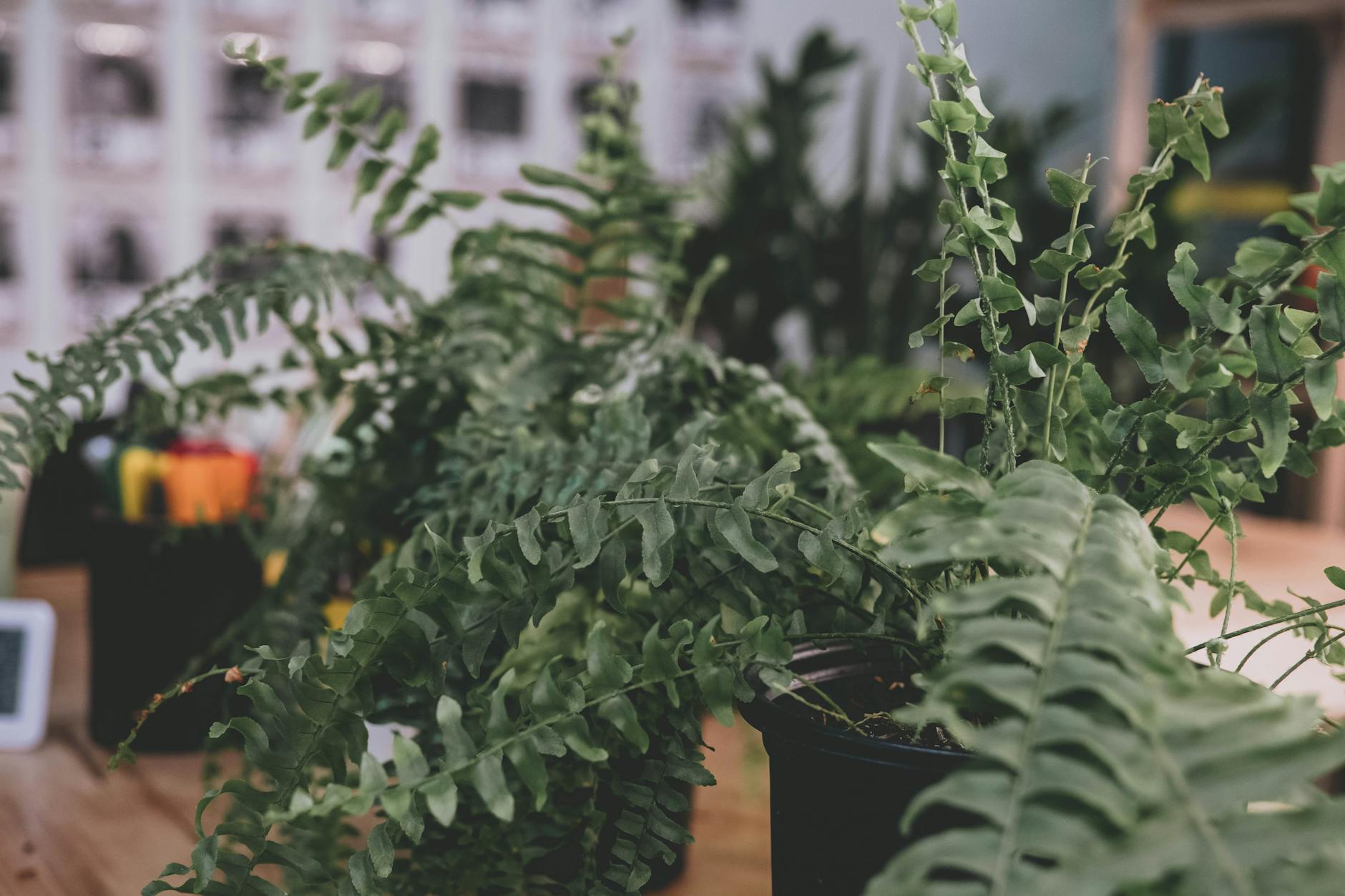
Boston Fern Care Guide: Complete Instructions for Nephrolepis Exaltata
Learn how to care for Boston Ferns with our comprehensive guide covering humidity, watering, light requirements, and maintaining lush, cascading fronds indoors.
Moderate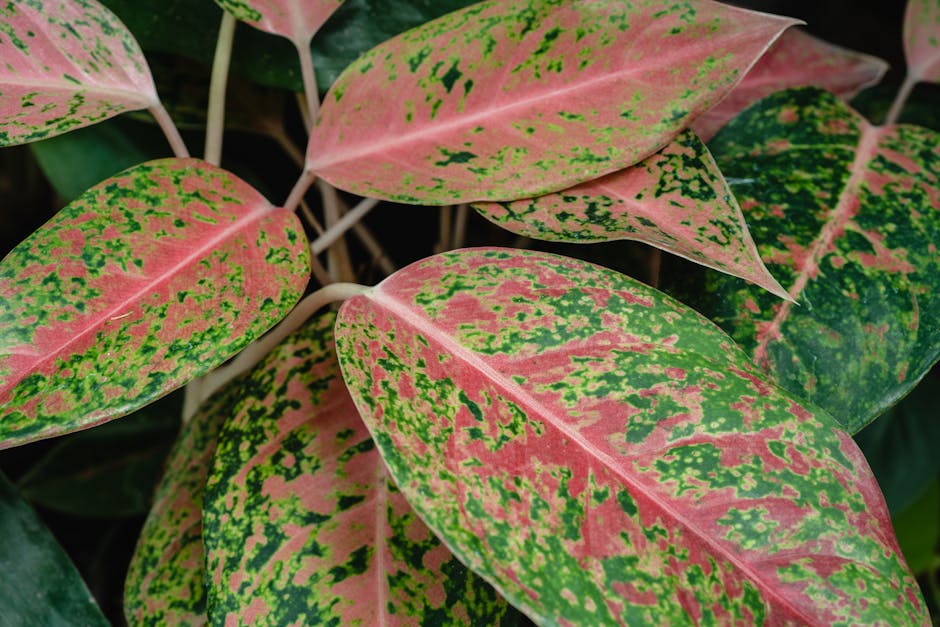
Chinese Evergreen Care Guide: Complete Aglaonema Instructions
Learn comprehensive Chinese Evergreen (Aglaonema) care including light tolerance, watering, colorful varieties, and troubleshooting for this adaptable houseplant.
Easy