
Variegated Houseplants Collection: Beautiful Plants with Stunning Patterns
Discover the most beautiful variegated houseplants featuring white, yellow, and pink patterns. Complete care guide for maintaining stunning variegation indoors.

The world of houseplants has long captivated the hearts of gardeners and decor enthusiasts alike, but few can boast the stunning allure of variegated plants. These remarkable specimens, adorned with striking patterns of white, yellow, and pink, bring a splash of color and vibrancy to any indoor setting. Their unique foliage creates a visual tapestry that can transform even the dullest corners of your home into lively sanctuaries. The beauty of variegated houseplants lies not only in their aesthetic appeal but also in the stories they tell through their diverse patterns and colors.
As you delve into the enchanting realm of variegated plants, you’ll discover that they are more than mere decorative items. Each leaf serves as a reminder of nature’s artistry, showcasing a blend of hues that spark joy and inspiration. Whether you are a seasoned plant parent or a newcomer eager to explore indoor gardening, these plants present an enticing opportunity to create a lush oasis within your home. Their ability to thrive indoors while offering visual interest makes them an ideal choice for anyone looking to enhance their living space.
In this article, we will explore the reasons why variegated houseplants deserve a special place in your heart and home. From the top picks that will seamlessly integrate into your decor to a comprehensive care guide that ensures their longevity, we aim to equip you with all the knowledge you need to cultivate these captivating specimens. So, let’s embark on this journey into the world of variegated plants and discover how to create a vibrant indoor garden that reflects your personality and style.
Why Choose These Plants
Choosing variegated houseplants is akin to inviting a piece of living art into your home. The striking patterns and colors of these plants are not only visually appealing but can also serve as a focal point in your decor. Imagine a vibrant Philodendron Brasil or a stunning Monstera Albo, their leaves adorned with creamy white splashes against deep green backgrounds, instantly drawing the eye and elevating the ambiance of your space. The diversity in coloration—from soft pastels to bold contrasts—allows for endless creative expression, enabling you to curate an indoor garden that resonates with your aesthetic preferences.
Moreover, variegated plants often exhibit unique growth patterns that differentiate them from their solid-colored counterparts. This variability can add depth and intrigue to your collection, making each plant a conversation starter. Each leaf unfurls a new story, showcasing the exquisite interplay of light and pigmentation. Beyond their visual appeal, these plants often thrive in indoor conditions, providing a sense of connection to nature while enhancing air quality and enriching your living environment.
Additionally, the joy of caring for these plants is deeply rewarding. The process of nurturing them—observing their growth, ensuring they receive optimal light and water, and witnessing the vibrant transformations—can cultivate a sense of mindfulness and tranquility in your daily life. Each variegated houseplant becomes not just a decoration but a cherished companion that enriches your home and serves as a reminder of the beauty of nature.
Top Picks for Your Home
When it comes to selecting the perfect variegated houseplants for your space, the options are as diverse as the colors they exhibit. One popular choice is the variegated monstera, known scientifically as Monstera deliciosa ‘Albo Variegata.’ This plant features striking white and green marbled leaves that can become the centerpiece of any room. Its bold, split leaves add an exotic touch, making it a favorite among houseplant enthusiasts.
Another stunning option is the Philodendron Brasil, a captivating variety that showcases heart-shaped leaves adorned with rich green and vibrant yellow streaks. This plant is not only visually appealing but also incredibly easy to care for, making it an ideal choice for those new to indoor gardening. It thrives in a variety of lighting conditions, allowing it to flourish in both bright and low-light areas.
The Snake Plant, or Sansevieria trifasciata ‘Moonshine,’ offers a more subtle variegation with its soft, silvery-green leaves that display a gentle pattern of darker green stripes. This hardy plant is known for its air-purifying qualities and resilience, making it a practical addition to your collection. Its modern aesthetic complements a range of interior styles, from minimalist to bohemian.
For those who prefer a splash of color, the Pink Princess Philodendron is a must-have. This enchanting plant boasts leaves that exhibit a beautiful blend of deep green and rich pink hues, creating a striking visual contrast. While it may require a bit more care to maintain its vibrant coloration, the rewards are undoubtedly worth the effort.
Lastly, the Pothos ‘N’Joy’ is a delightful option that showcases creamy white and green leaves, cascading gracefully from hanging baskets or trailing down shelves. This versatile plant adapts well to a variety of indoor environments and is known for its ability to purify the air, making it an excellent choice for enhancing your living space.
Care Essentials
Caring for variegated houseplants requires a thoughtful approach to ensure their vibrant patterns remain intact. The first step in nurturing these beauties is understanding their light requirements. Most variegated plants thrive in bright, indirect sunlight, as this helps to maintain their stunning coloration. Direct sunlight can scorch their leaves, while insufficient light can cause the variegation to diminish, resulting in more green foliage. Placing your plants near a window with filtered light or using sheer curtains can create the ideal environment for them to flourish.
Watering is another critical aspect of care. Variegated houseplants generally prefer to dry out slightly between waterings. It’s essential to check the soil moisture before adding more water, as overwatering can lead to root rot, while underwatering can cause stress and reduce the vibrancy of their leaves. A good rule of thumb is to water when the top inch of soil feels dry to the touch. When you do water, ensure that it drains well, allowing the roots to absorb moisture without becoming waterlogged.
Humidity levels also play a vital role in the health of variegated plants. Many of these varieties originate from tropical regions, where humidity levels are high. To replicate this environment indoors, consider placing a humidifier nearby or grouping your plants together to create a microclimate. Alternatively, you can mist their leaves occasionally or place a tray of water with pebbles beneath the pots to increase humidity levels around them.
Fertilizing your variegated houseplants can help promote growth and maintain their vibrant colors. A balanced, water-soluble fertilizer can be applied during the growing season, typically from spring to early fall. However, it is crucial to follow the recommended dosage, as over-fertilization can lead to salt buildup in the soil and harm the plant.
Lastly, regular pruning is beneficial for maintaining the shape and health of your variegated plants. Removing any yellow or damaged leaves encourages new growth and allows the plant to direct its energy toward producing healthy foliage. By following these care essentials, you can ensure that your variegated houseplants thrive, showcasing their stunning patterns for years to come.
Common Challenges
While the beauty of variegated houseplants is undeniable, they do come with their own set of challenges that can test the resolve of even the most dedicated plant parents. One common issue is the tendency for variegation to decrease under less-than-ideal conditions. Insufficient light can lead to a phenomenon known as “reversion,” where the plant produces leaves that are predominantly green rather than variegated. To combat this, ensure your plants receive adequate light, and monitor them closely for any signs of reverting.
Pest infestations can also pose a threat to the health of your variegated plants. Common pests such as spider mites, aphids, and mealybugs can cause significant damage if left unchecked. Regularly inspecting your plants for any signs of infestation and addressing issues promptly can help keep them healthy. If you notice pests, consider using insecticidal soap or neem oil as a natural remedy, and isolate the affected plants to prevent the spread of pests to your other plants.
Another challenge to consider is the delicate balance of humidity and watering. Variegated plants often require higher humidity levels, and fluctuations in moisture can stress the plants. If you notice browning leaf tips or edges, it may indicate low humidity or underwatering. Conversely, yellowing leaves can signal overwatering. Observing your plants closely can help you identify these issues early on, allowing you to adjust your care routine accordingly.
Finally, seasonal changes can also impact the well-being of your variegated houseplants. During the winter months, indoor heating can dry out the air, leading to increased humidity stress. To mitigate this, consider relocating your plants away from heating vents and incorporating additional humidity-boosting techniques, such as grouping plants together or using humidity trays.
By staying vigilant and proactive in addressing these common challenges, you can cultivate a thriving collection of variegated houseplants that continue to dazzle with their unique beauty.
Styling Ideas
Integrating variegated houseplants into your home decor offers countless opportunities for creativity and expression. Their vibrant patterns can complement a wide range of interior styles, from modern minimalism to eclectic bohemian aesthetics. One of the simplest yet most effective ways to style these plants is by using decorative pots that enhance their natural beauty. Choose pots in contrasting colors or materials to create a striking visual impact. For instance, a sleek white ceramic pot can accentuate the bold leaves of a Philodendron Brasil, while a textured terracotta pot can provide a rustic charm to a Snake Plant.
Creating a plant corner or a dedicated indoor garden space can serve as a stunning focal point in your home. Positioning a variety of variegated plants together allows their colors and patterns to play off each other, creating a lush and inviting atmosphere. Use shelving units or plant stands to elevate the plants at different heights, adding depth and interest to the arrangement. Hanging planters can also introduce a dynamic element, allowing trailing plants like Pothos ‘N’Joy’ to cascade gracefully from above.
Incorporating variegated plants into your existing decor can be both fun and rewarding. Consider placing smaller plants on windowsills or desks, where they can be appreciated up close. Larger specimens, such as the Monstera Albo, can make a bold statement in living rooms or entryways, inviting warmth and character into the space. Don’t be afraid to experiment with different placements until you find the arrangement that resonates with your style.
For a touch of whimsy, consider pairing variegated plants with art pieces or books that echo their colors. This can create a cohesive look that ties the room together. Additionally, using mirrors strategically can amplify the beauty of your plants, reflecting their colors and patterns while adding an illusion of space.
Lastly, seasonal decorations can enhance the visual appeal of your variegated houseplants. As the seasons change, consider incorporating seasonal accents such as decorative stones, themed pots, or complementary foliage to keep your indoor garden feeling fresh and dynamic. With some creativity and thoughtful styling, your variegated houseplants can become not only a source of joy but also an integral part of your home’s decor.
Getting Started
Embarking on the journey of cultivating a collection of variegated houseplants is an exciting endeavor filled with opportunities for creativity and growth. For those just beginning, start by selecting a few varieties that resonate with your style and fit well within your home environment. Whether you choose the striking Monstera Albo or the charming Pothos ‘N’Joy,’ each plant will bring its own unique character to your collection.
Once you have chosen your plants, take the time to familiarize yourself with their specific care requirements. Understanding their light, water, and humidity needs will help you create an optimal environment for them to thrive. Consider creating a care schedule that outlines watering days, fertilization, and any additional maintenance tasks, ensuring you stay organized and attentive to their needs.
As you expand your collection, don’t hesitate to experiment and explore different styling options. Allow your creativity to guide you in arranging your plants in ways that reflect your personality and enhance your home’s aesthetic. Remember to celebrate the growth of your plants, as each new leaf unfurling is a testament to your dedication and care.
Additionally, join online communities or local plant groups to connect with fellow plant enthusiasts. Sharing your experiences and learning from others can enhance your understanding and appreciation of variegated houseplants. These connections can provide valuable insights and resources, making your journey even more enjoyable.
Finally, allow yourself to embrace the beauty of imperfection. Each plant has its own quirks and challenges, but these aspects are what make them special. The joy of nurturing your variegated houseplants, witnessing their growth, and adapting to their needs will undoubtedly enrich your life in ways you might never have anticipated.
In conclusion, the world of variegated houseplants is a vibrant and enchanting realm waiting to be explored. With their stunning patterns and colors, these plants can transform your indoor space into a lush, lively sanctuary. By understanding their care essentials, overcoming common challenges, and embracing creative styling ideas, you can cultivate a thriving collection that brings joy and inspiration to your home for years to come.
Safety Note: Always research the toxicity of plants before bringing them into homes with pets or small children.
Plants in this Collection

Aglaonema Silver Bay Care Guide: Complete Instructions for Chinese Evergreen Beauty
Learn how to care for Aglaonema Silver Bay with our comprehensive guide covering light, watering, humidity, and maintaining stunning silver variegation in this easy-care houseplant.
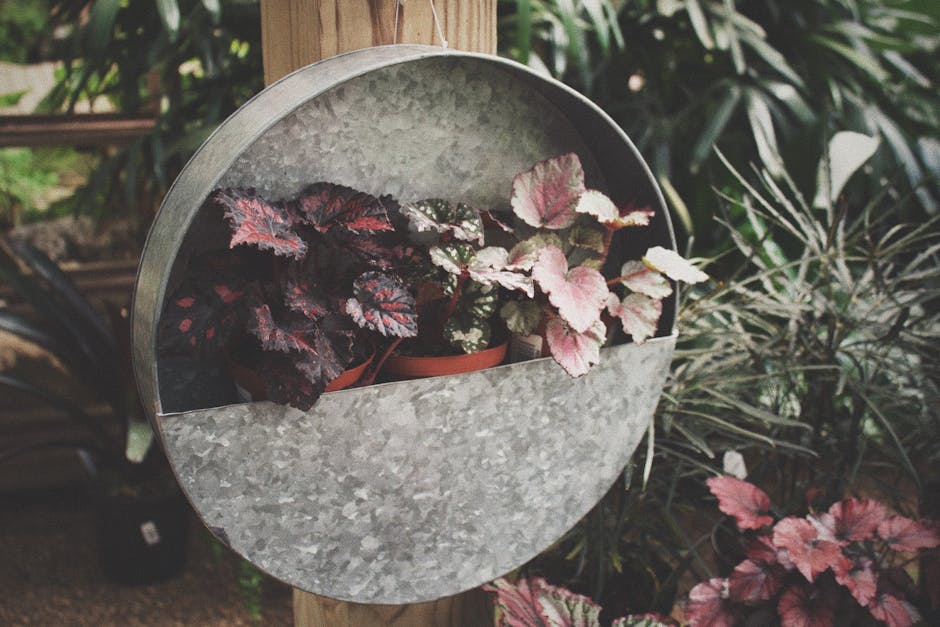
Begonia Care Guide: Complete Instructions for All Types
Learn comprehensive Begonia care including different types, flowering tips, humidity requirements, and propagation for these colorful flowering houseplants.
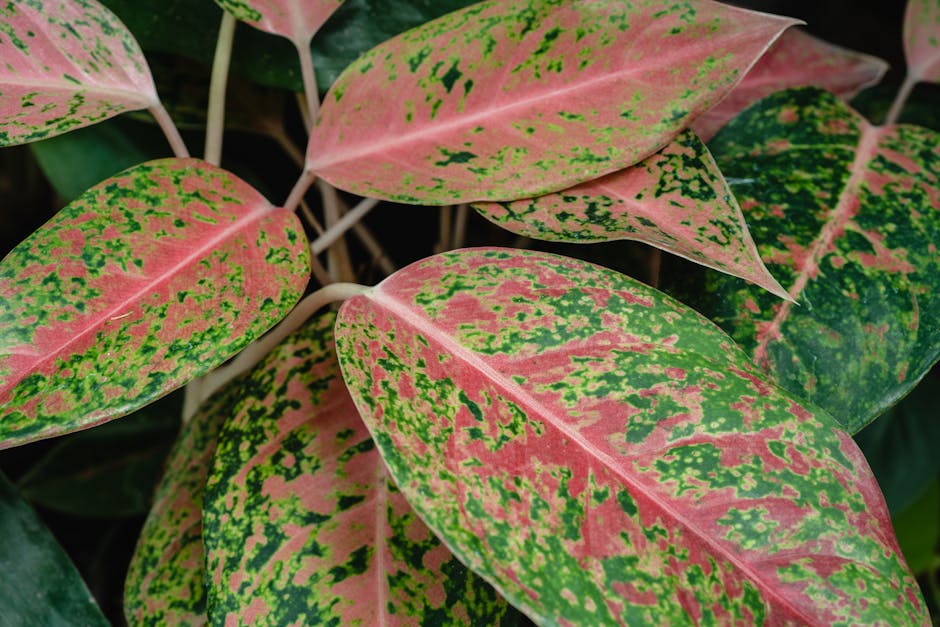
Chinese Evergreen Care Guide: Complete Aglaonema Instructions
Learn comprehensive Chinese Evergreen (Aglaonema) care including light tolerance, watering, colorful varieties, and troubleshooting for this adaptable houseplant.

Calathea White Fusion Care Guide: Complete Instructions for Prayer Plant Beauty
Learn how to care for Calathea White Fusion with our comprehensive guide covering humidity, watering, light requirements, and troubleshooting for stunning variegated foliage.
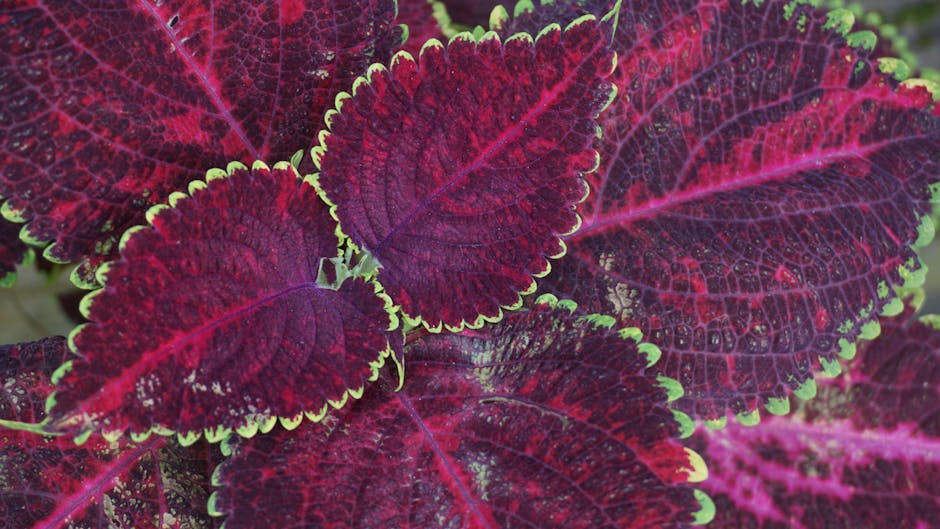
Coleus Care Guide: Complete Solenostemon Instructions
Learn comprehensive Coleus care including light, watering, pinching, and maintaining vibrant foliage colors in this popular colorful houseplant.
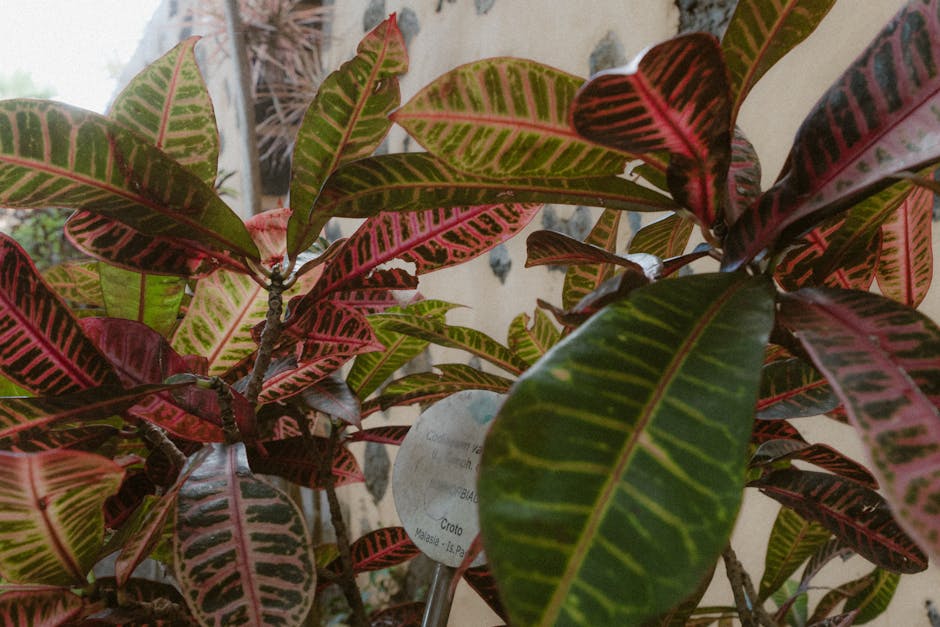
Croton Care Guide: Complete Codiaeum variegatum Instructions
Learn how to care for Croton (Codiaeum variegatum) with our comprehensive guide covering watering, light, humidity, and maintaining vibrant foliage colors.