
Croton Care Guide: Complete Codiaeum variegatum Instructions
Learn how to care for Croton (Codiaeum variegatum) with our comprehensive guide covering watering, light, humidity, and maintaining vibrant foliage colors.
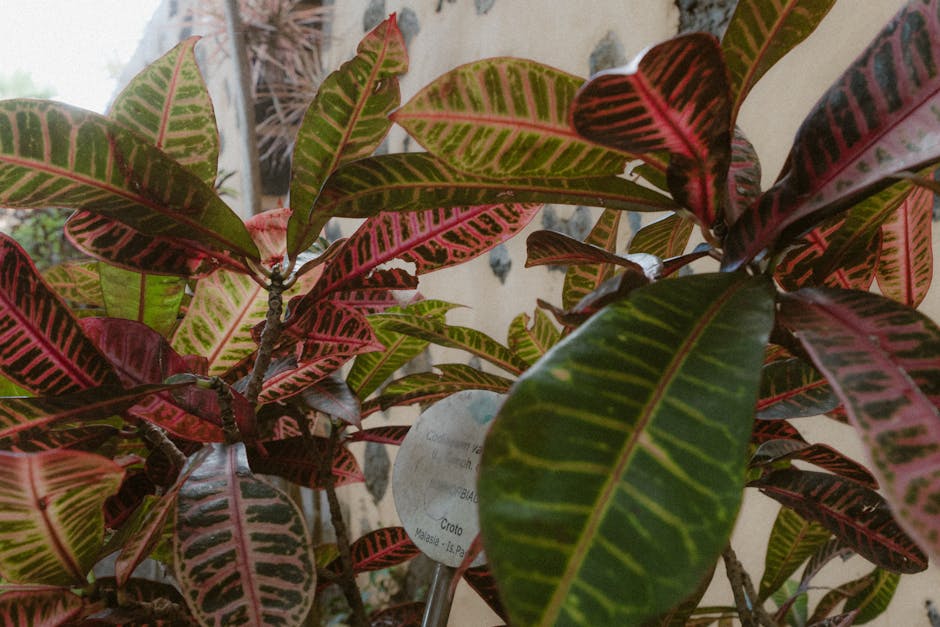
Quick Care Guide
Bright light with some direct sun
Keep consistently moist
40-50% or higher
65-85°F (18-29°C)
Well-draining potting mix
Monthly during growing season
Keep away from cats, dogs, and children
Croton, or Codiaeum variegatum, is a striking houseplant known for its flamboyant foliage and vibrant colors. Originally hailing from the tropical regions of Southeast Asia and the Pacific Islands, this plant has garnered a devoted following among plant enthusiasts and interior decorators alike. Crotons are celebrated for their ability to inject life into any space, thanks to their colorful leaves that can range from deep greens to fiery reds, yellows, and oranges. However, while their beauty is undeniable, they do require a bit of attention to thrive. This guide will equip you with all the necessary knowledge to ensure that your croton flourishes, maintaining its stunning appearance and health for years to come.
As you embark on your journey with this captivating plant, it’s essential to understand its specific needs in terms of light, water, humidity, soil, and temperature. Crotons can be a moderate challenge, but don’t be deterred; with the right care and attention, they can become a standout feature in your home. Throughout this guide, we will delve into the intricacies of croton care, from understanding its environmental preferences to troubleshooting common issues that may arise. Whether you are a seasoned plant parent or a newbie, you will find valuable insights to help you cultivate your croton into a flourishing beauty.
Getting to Know Your Plant
Before diving into the specifics of croton care, it is essential to familiarize yourself with the plant itself. The croton is a member of the Euphorbiaceae family and is characterized by its thick, leathery leaves that can grow in various shapes and sizes, often showcasing bold, eye-catching patterns. The foliage can be variegated, with a mix of colors including green, yellow, red, and orange, and these vibrant hues can change depending on the light exposure and care conditions. Crotons can grow up to three feet tall indoors and can be trained to take on a bushy appearance or even a tree-like structure.
Understanding the natural habitat of the croton can also provide insights into how to best care for it. In the wild, these plants thrive in warm, humid environments with bright light, which influences their growth patterns significantly. When you bring a croton into your home, you are essentially trying to recreate these conditions to promote healthy growth and vibrant coloration. With this foundational knowledge, you are well-equipped to move forward into the more detailed aspects of croton care.
Light Requirements
One of the most critical factors for maintaining a healthy croton is providing it with the right amount of light. Crotons thrive in bright light with some direct sun exposure. Ideally, placing your croton in a location that receives several hours of bright, indirect sunlight will yield the best results. A south-facing window is often a perfect spot, as it allows for ample light without overwhelming the plant. However, be cautious of placing your croton in a location where it receives intense direct sunlight for prolonged periods, as this can scorch the leaves, leading to unsightly brown edges.
If your croton begins to lose its vibrant colors, it may be an indicator that it is not receiving enough light. In such cases, consider relocating it to a brighter spot. Conversely, if you notice the leaves becoming pale or burnt, it might be best to provide some shade during the hottest parts of the day. Balancing light exposure is key to ensuring your croton retains its striking appearance.
Watering Guidelines
Watering is another essential aspect of croton care that requires a keen eye and consistent routine. Crotons prefer to have their soil kept consistently moist but not waterlogged. To achieve this, you should water your plant when the top inch of soil feels dry to the touch. This typically translates to a watering schedule of every five to seven days, although this can vary depending on the season and environmental conditions. During the warmer months, when the plant is actively growing, you may find that it requires more frequent watering. Conversely, in the winter months, the plant’s water needs may decrease as its growth slows down.
It is important to note that overwatering can lead to root rot, a common issue among houseplants. Make sure that your pot has proper drainage holes, and avoid letting the plant sit in standing water. On the other hand, if your croton shows signs of wilting or drooping leaves, it may indicate that it is too dry, and a thorough watering is needed. Paying attention to your plant’s responses will help you develop an effective watering routine that keeps your croton happy and healthy.
Soil and Potting Requirements
Choosing the right soil mix is crucial for the health of your croton. A well-draining potting mix is ideal, as it allows excess water to escape while retaining enough moisture for the roots to absorb. Look for a soil blend that includes peat moss, perlite, or vermiculite, as these components help to create a light, airy texture that promotes healthy root development. If you prefer, you can also create your own mix by combining standard potting soil with perlite for enhanced drainage.
When it comes to potting your croton, selecting the right container is equally important. A pot with drainage holes is essential to prevent water from pooling at the bottom, which can lead to root rot. If you notice that your croton has outgrown its pot—indicated by roots growing out of the drainage holes or a slowed growth rate—it’s time to consider repotting. Ideally, repot your croton every couple of years in the spring to refresh the soil and provide more room for growth. When repotting, gently loosen the roots and place the plant in a slightly larger pot, filling the gaps with fresh potting mix.
Temperature and Humidity
Crotons are tropical plants that thrive in warm temperatures and high humidity levels. Ideally, they prefer a temperature range of 65 to 85°F (18 to 29°C). It’s important to maintain a steady temperature, as sudden fluctuations can stress the plant and lead to issues such as leaf drop. Avoid placing your croton near drafty windows, heating vents, or air conditioning units, as these can create undesirable conditions that may affect its health.
In addition to temperature, humidity plays a significant role in the well-being of your croton. This plant thrives in humidity levels of 40% or higher. If you live in a dry climate or during the winter months when indoor air can become quite dry, you may need to take extra steps to increase humidity around your plant. One effective method is to use a humidifier in the room where your croton is located. Another option is to place your plant on a pebble tray filled with water, allowing the moisture to evaporate and create a humid microenvironment. Grouping your croton with other humidity-loving plants can also help maintain higher humidity levels in its vicinity. Regular misting can be beneficial as well, but be sure not to overdo it, as excessive moisture on the leaves can lead to fungal issues.
Fertilizing Schedule
Fertilizing your croton is important for promoting healthy growth, especially during the growing season, which typically spans from spring through early fall. During this time, a balanced liquid fertilizer diluted to half strength can be applied once a month to provide essential nutrients. Look for a fertilizer that is rich in nitrogen, phosphorus, and potassium, as these elements support vibrant foliage and overall plant health.
In the fall and winter months, when the plant’s growth rate decreases, you can reduce or even halt fertilization. This allows the croton to rest and conserve energy without being forced to expend resources on new growth. When spring arrives, you can resume your fertilization routine, giving your croton the boost it needs to thrive during the active growing season once again. Observing your plant’s growth and overall appearance will guide you in adjusting your fertilization schedule as needed.
Propagation Methods
If you find yourself enamored with your croton and wish to expand your collection, propagation is a rewarding option. There are a couple of effective methods for propagating crotons: stem cuttings and air layering. Stem cuttings can be taken from healthy, mature stems. To do this, cut a 4-6 inch section from the stem just below a leaf node. Remove the lower leaves, leaving a couple of leaves at the top, and place the cutting in a glass of water or directly into a pot filled with moist potting mix. If you choose to propagate in water, ensure that the cutting is in a well-lit area, changing the water every few days. Once roots develop—usually within a few weeks—you can transplant the cutting into soil.
Air layering is another propagation method that involves creating a new root system on the parent plant while it remains intact. To do this, make a small incision in a healthy stem and wrap the area with moist sphagnum moss, securing it in place with plastic wrap. After a few weeks, roots should begin to establish, at which point you can cut the stem below the rooting area and pot it in its own container. Both methods are effective, and with a little patience, you’ll be rewarded with new croton plants to enjoy.
Common Problems and Solutions
As with any plant, crotons can encounter their fair share of challenges. One of the most common issues is the loss of vibrant colors in the leaves, which can be attributed to insufficient light. If your croton begins to lose its bright hues, consider relocating it to a brighter spot where it can bask in several hours of direct sunlight. On the flip side, if you notice leaf scorch or browning edges, it may be a sign of too much direct sunlight, necessitating a move to a more sheltered location.
Leaf drop is another concern for croton owners, often indicating stress due to changes in watering, humidity, or temperature. To mitigate this, strive for consistency in your care routine, making gradual adjustments rather than sudden changes. If you see your croton dropping leaves, take a moment to assess its environment and care regimen to identify any potential sources of stress.
It’s also worth noting that crotons are toxic to pets, as the milky sap can cause skin irritation and digestive issues if ingested. If you have pets in your home, exercise caution by placing your croton out of their reach or choosing an alternative houseplant that is non-toxic.
Seasonal Care Adjustments
As the seasons change, so too do the care requirements for your croton. During the spring and summer months, when the plant is actively growing, you will want to maintain a regular watering and fertilizing schedule to support its growth and vibrant foliage. This is the time to ensure that your croton receives plenty of bright light and humidity, creating an optimal environment for lush growth.
As fall approaches and temperatures begin to drop, you may notice a slowdown in your croton’s growth. This is a natural part of the plant’s life cycle, and during this time, you should reduce the frequency of watering and fertilizing. Keep an eye on humidity levels, as indoor heating can dry out the air. Consider using a humidifier or other methods to maintain appropriate humidity.
In winter, when the croton enters a period of dormancy, be mindful of temperature fluctuations and provide adequate light, even if the growth has slowed. This is a time for the plant to rest and prepare for the upcoming growing season. As spring approaches, gradually reintroduce fertilization and adjust watering as the plant resumes active growth.
In conclusion, caring for a croton can be a rewarding experience filled with vibrant colors and lush foliage. With a clear understanding of its needs regarding light, water, humidity, soil, and temperature, you can ensure that your croton thrives in your home. By remaining attentive to its care requirements and addressing any potential issues promptly, you will cultivate a stunning plant that brings joy and beauty to your space for years to come. Whether you’re a seasoned plant enthusiast or just starting your indoor gardening journey, the croton is a magnificent addition that will continue to captivate and inspire.
Safety Note: Croton contains compounds that are toxic to cats, dogs, and humans if ingested. Keep plants out of reach of curious pets and small children. Contact a veterinarian or poison control center if ingestion occurs.
Frequently Asked Questions
Why is my Croton losing its bright colors? ▼
Crotons lose color intensity in low light. Move to a brighter location with several hours of direct sunlight to restore vibrant colors.
How often should I water my Croton? ▼
Water when the top inch of soil feels dry, typically every 5-7 days. Crotons prefer consistently moist soil but not waterlogged.
Why are my Croton leaves dropping? ▼
Leaf drop usually indicates stress from watering changes, low humidity, temperature fluctuations, or relocation. Maintain consistent care.
Is Croton toxic to pets? ▼
Yes, Crotons are toxic to cats and dogs. The milky sap can cause skin irritation and digestive issues if ingested.
How do I increase humidity for my Croton? ▼
Use a humidifier, place on a pebble tray, group with other plants, or mist regularly. Crotons need 40-50% humidity minimum.
Explore Related Topics
Was this guide helpful?
Your input helps us improve our guides.
How can we improve this guide?
Similar Plants You Might Like

Alocasia Elephant Ear Care Guide: Complete Growing Instructions for Tropical Beauty
Learn how to care for Alocasia Elephant Ear plants with our comprehensive guide covering humidity, watering, light requirements, and troubleshooting for stunning tropical growth.
Moderate
African Violet Care Guide: Complete Saintpaulia Instructions
Learn comprehensive African Violet (Saintpaulia) care including watering, light, humidity, flowering tips, and propagation for these popular flowering houseplants.
Moderate
Aloe Vera Care Guide: Complete Instructions for Aloe Barbadensis Miller
Learn how to care for Aloe Vera plants with our comprehensive guide covering light, watering, harvesting gel, and propagating pups for healthy growth.
Easy