
Succulent Collection: Beautiful Drought-Tolerant Plants for Low-Maintenance Indoor Gardens
Discover the most beautiful and easy-care succulents perfect for beginners, featuring drought-tolerant varieties that thrive with minimal water and care.
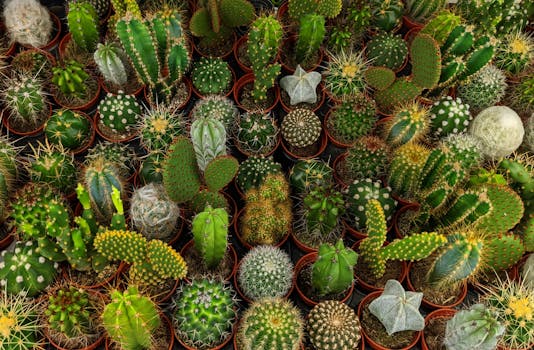
In a world where busy schedules and bustling lifestyles often dominate our daily routines, the allure of a low-maintenance indoor garden has never been more appealing. Among the myriad of options available to the modern plant enthusiast, succulents stand out as the quintessential choice for those seeking beauty without the burden of extensive care. These remarkable plants, known for their ability to thrive in arid conditions, are not just aesthetically pleasing; they also introduce a touch of nature into our homes, creating a serene atmosphere that enhances well-being.
Succulents are characterized by their fleshy, water-storing leaves and stems, which give them an uncanny ability to withstand periods of drought. This unique adaptation makes them perfect candidates for indoor gardens, especially for those who may not have a green thumb or who lead a busy lifestyle. Whether you’re looking to transform your workspace, brighten up a cozy corner of your home, or create a vibrant centerpiece, succulents offer an incredible variety of shapes, colors, and textures that can elevate any space.
As we delve into the world of succulents, we’ll explore why these plants are an ideal choice for indoor gardens, share some top picks that are sure to inspire, discuss essential care tips, address common challenges you may encounter, provide styling ideas to showcase their beauty, and offer guidance on how to get started with your very own succulent collection.
Why Choose These Plants
The appeal of succulents extends far beyond their stunning appearance. One of the most compelling reasons to choose these drought-tolerant wonders for your indoor garden is their remarkable resilience. Unlike traditional houseplants that require regular watering and specific humidity levels, succulents are forgiving and adaptable, making them perfect for individuals who may not have the time or expertise to care for more demanding flora. Their ability to thrive with minimal intervention is a game changer for busy urban dwellers, students, or anyone who appreciates the beauty of nature but struggles to keep plants alive.
Additionally, succulents boast a stunning diversity that can cater to any aesthetic preference. From the striking rosettes of Echeveria to the cascading strands of String of Pearls, the variety within the succulent family is nothing short of mesmerizing. This diversity means that there is a perfect succulent for every space, whether you’re aiming for a contemporary look with sleek lines or a bohemian vibe with trailing greenery. Furthermore, many succulents produce vibrant blooms that can add a splash of color to your indoor environment, showcasing nature’s artistry in a way that is both captivating and uplifting.
Moreover, succulents are not just beautiful; they also contribute to improved air quality by filtering toxins and producing oxygen. As you curate your indoor garden, you’re not only enhancing your living space visually but also creating a healthier atmosphere for yourself and your loved ones. The psychological benefits of nurturing plants cannot be overstated, as studies have shown that interacting with greenery can reduce stress and promote feelings of happiness. Thus, inviting succulents into your home is not merely a decorative choice; it’s a lifestyle enhancement that fosters a deeper connection to the natural world.
Top Picks for Your Home
When it comes to selecting succulents for your indoor garden, the options are nearly limitless. However, there are certain varieties that stand out due to their beauty, ease of care, and adaptability to indoor environments. One such favorite is the Jade Plant, or Crassula ovata, known for its thick, glossy leaves that resemble tiny jade coins. This succulent not only serves as a symbol of good luck and prosperity but also thrives in various lighting conditions, making it an ideal choice for beginners.
Another captivating option is the Zebra Plant, or Haworthia fasciata, which features striking white stripes that adorn its dark green leaves. This small succulent is perfect for tabletops or windowsills and can thrive in low light, requiring little attention beyond occasional watering. If you’re drawn to the whimsical charm of cascading plants, the String of Hearts (Ceropegia woodii) is a delightful choice. Its delicate, heart-shaped leaves on long, trailing vines create a stunning visual effect, and it flourishes with minimal care.
For a pop of color, consider adding the Echeveria varieties to your collection. These rosette-shaped succulents come in a stunning array of hues, from soft pastels to vibrant reds and purples, making them a versatile addition to any indoor garden. Additionally, the Aloe Vera plant, known for its medicinal properties, is not only a practical choice but also a visually appealing succulent with its tall, spiky leaves.
Lastly, if you’re looking for a unique centerpiece, the Lithops, or “living stones,” are a remarkable option. These fascinating succulents mimic the appearance of pebbles, making them an intriguing conversation starter while requiring very little water. Each variety has its own distinct coloration and pattern, offering an extraordinary visual experience that is sure to captivate anyone who gazes upon them.
Care Essentials
While succulents are often celebrated for their low-maintenance nature, it is essential to understand the basic care requirements to ensure they thrive in your indoor garden. One of the most critical aspects of succulent care is their need for well-draining soil. Traditional potting mixes can retain too much moisture, leading to root rot. Instead, opt for a specialized cactus or succulent mix that provides adequate drainage, allowing excess water to escape easily. Alternatively, you can create your own mix by combining regular potting soil with sand or perlite to enhance drainage.
Watering is another crucial element of succulent care. It is important to adopt the “less is more” philosophy when it comes to hydration. Succulents store water in their leaves, allowing them to survive prolonged periods of drought. A general rule of thumb is to water your succulents deeply but infrequently. Allow the soil to dry out completely between watering sessions, and be cautious not to let the plants sit in water. During the winter months, when succulents enter a dormant phase, reduce watering even further, as they require less moisture during this time.
Light is a vital component for succulent health. Most succulents prefer bright, indirect sunlight, so placing them near a south or east-facing window is ideal. However, be mindful of the intensity of the light; too much direct sunlight can scorch the leaves, while insufficient light may lead to leggy growth. Observe your plants and adjust their placement as needed to ensure they receive the right amount of light for optimal growth.
Fertilization is generally not necessary for succulents, especially if you are using a well-balanced soil mix. However, if you wish to encourage growth and flowering, a diluted, water-soluble fertilizer can be applied during the growing season, typically in spring and summer. Make sure to follow the instructions carefully, as over-fertilization can lead to nutrient burn and damage to your plants.
Lastly, pruning and repotting are essential practices to maintain the health of your succulent collection. Remove any dead or shriveled leaves to prevent pests and diseases from taking hold. As your succulents grow, you may need to repot them into larger containers to allow for continued growth and to ensure that their roots have ample space to expand.
Common Challenges
Despite their hardy nature, succulent enthusiasts may encounter a few challenges along the way. One of the most common issues is overwatering, which can lead to root rot and ultimately the demise of the plant. It is essential to be vigilant and recognize the signs of distress, such as yellowing leaves or a mushy stem. If you suspect your succulent has been overwatered, it may be necessary to remove it from its pot, allow the roots to dry out, and repot it in fresh, dry soil.
Pest infestations can also pose a challenge for succulent growers. Common pests such as mealybugs and aphids may find their way onto your plants, causing damage if left untreated. Regularly inspect your succulents for signs of pests, and if you notice any, take action promptly. A gentle wash with soapy water or an application of neem oil can help control these unwanted visitors, keeping your plants healthy and thriving.
Another challenge to be aware of is the issue of leggy growth, which can occur if your succulents are not receiving enough light. When succulents stretch towards a light source, they may become elongated, resulting in a less aesthetically pleasing appearance. To remedy this, simply move your plants closer to a window or supplement with grow lights to provide the necessary illumination.
Temperature fluctuations can also affect succulent health. Most succulents prefer temperatures between 60°F and 80°F. Keeping them in an environment that is too cold or too hot can lead to stress, impacting their growth and overall vitality. It’s vital to protect your succulents from extreme temperatures, especially during the winter months when drafts from windows or doors can create sudden chills.
Styling Ideas
Once you’ve curated your succulent collection, the next step is to showcase their beauty through creative styling. Succulents can be arranged in numerous ways to enhance your indoor spaces, and their versatility allows for endless possibilities. One popular trend is to create a succulent terrarium, a miniature garden contained within a glass vessel. Terrariums can be filled with a variety of succulents, decorative stones, and other natural elements, creating a captivating focal point that draws the eye.
Another stylish option is to use unique containers to house your succulents. Vintage teacups, wooden crates, or even reclaimed glass jars can serve as charming planters that add character to your decor. Grouping succulents of varying heights and colors in a single container can create a stunning visual display, while using different textures and shapes can enhance the overall aesthetic.
Wall-mounted planters are another innovative way to incorporate succulents into your home. These vertical gardens can transform a blank wall into a living work of art, allowing you to maximize space while adding a touch of greenery. Choose a variety of succulents with contrasting colors and shapes to create depth and interest.
For those who enjoy a more traditional approach, consider arranging succulents in decorative pots on windowsills, shelves, or tabletops. The key is to play with scale and proportion, using larger succulents as focal points while surrounding them with smaller varieties. This layering effect can create a lush, garden-like atmosphere indoors.
Lastly, don’t hesitate to experiment with seasonal displays. During the holidays, you can incorporate succulents into festive arrangements or centerpieces, combining them with seasonal decor for a fresh take on traditional decorations. The adaptability of succulents allows for creativity, ensuring that your indoor garden remains vibrant and engaging throughout the year.
Getting Started
Embarking on your succulent journey is an exciting endeavor that promises to enrich your living space and your life. To get started, begin by selecting a few of your favorite succulent varieties based on your aesthetic preferences and care capabilities. Visit local nurseries or garden centers where you can interact with knowledgeable staff who can guide you in choosing the healthiest specimens.
When you bring your new plants home, take the time to acclimate them to their new environment. Gradually introduce them to their designated spots, allowing them to adjust to the light and humidity levels. Once they’re settled, you can begin to experiment with watering and caring for them, observing their responses and making adjustments as needed.
As you become more comfortable with succulent care, consider expanding your collection by exploring rarer varieties or experimenting with propagation. Succulents are known for their ability to reproduce easily, so you can propagate new plants from cuttings or leaves, allowing your garden to grow organically. This process not only deepens your connection with your plants but also provides a rewarding sense of accomplishment.
In conclusion, succulents are the perfect choice for anyone looking to create a beautiful, low-maintenance indoor garden. With their stunning diversity, ease of care, and ability to bring joy and tranquility into our lives, there’s no better time to embrace these delightful drought-tolerant plants. So go ahead, gather your favorite varieties, and let your succulent journey begin—your vibrant, thriving indoor garden awaits.
Safety Note: Always research the toxicity of plants before bringing them into homes with pets or small children.
Plants in this Collection
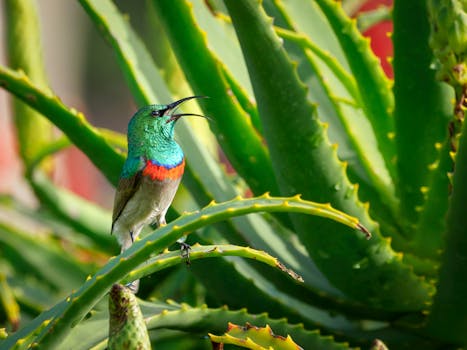
Aloe Vera Care Guide: Complete Instructions for Aloe Barbadensis Miller
Learn how to care for Aloe Vera plants with our comprehensive guide covering light, watering, harvesting gel, and propagating pups for healthy growth.
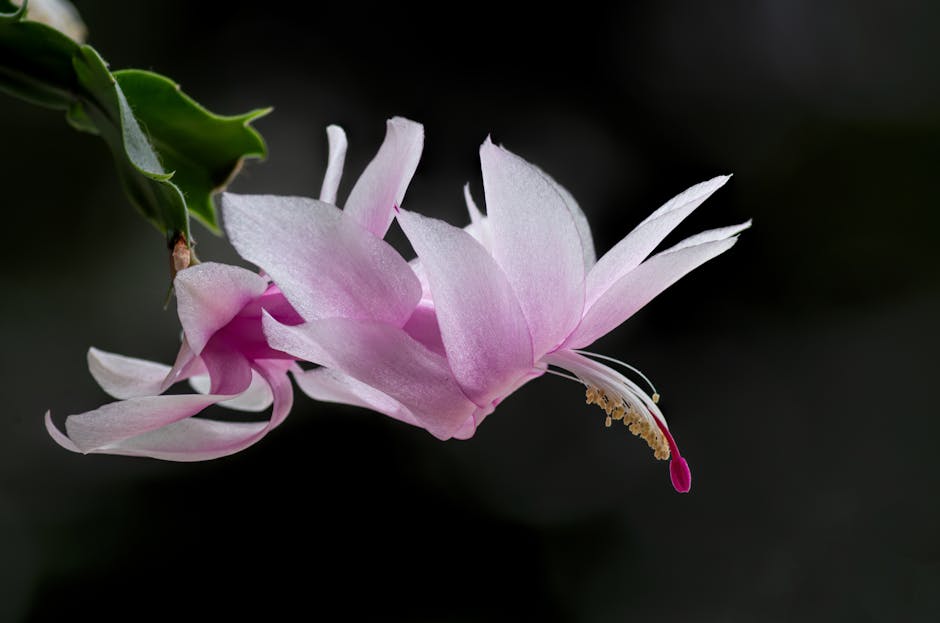
Christmas Cactus Care Guide: Complete Schlumbergera Instructions
Learn comprehensive Christmas Cactus care including blooming tips, watering, light requirements, and propagation for this popular holiday flowering plant.
Jade Plant Care Guide: Complete Instructions for Crassula Ovata
Learn how to care for Jade Plants with our comprehensive guide covering light, watering, pruning, and encouraging flowering in this lucky succulent.

Sansevieria Cylindrica Care Guide: Complete Instructions for Cylindrical Snake Plant
Learn how to care for Sansevieria Cylindrica (Cylindrical Snake Plant) with our comprehensive guide covering light, watering, propagation, and troubleshooting for this unique succulent.
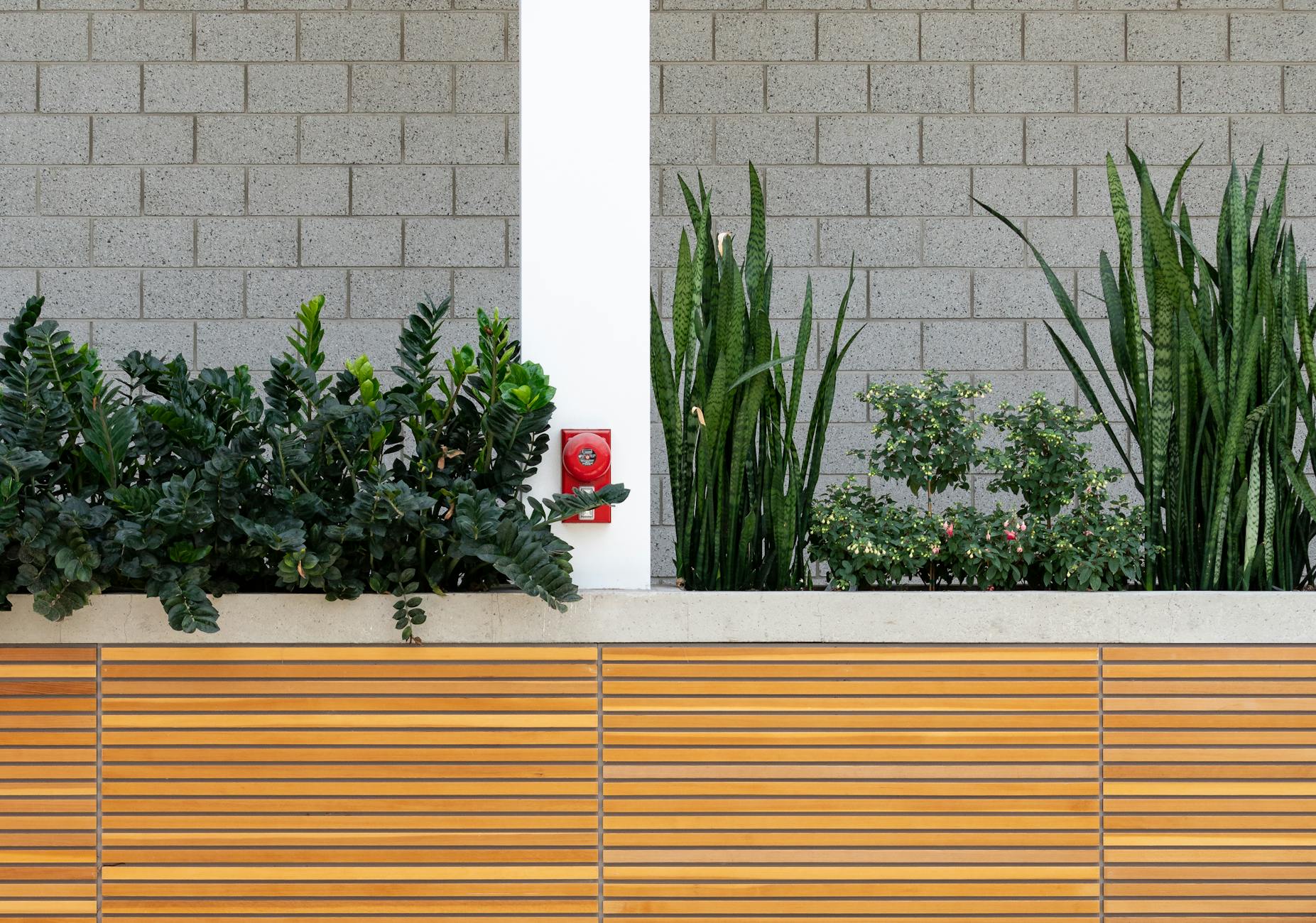
Snake Plant Care Guide: Complete Instructions for Sansevieria Trifasciata
Learn how to care for Snake Plants (Sansevieria) with our comprehensive guide covering light, watering, propagation, and maintaining healthy growth indoors.
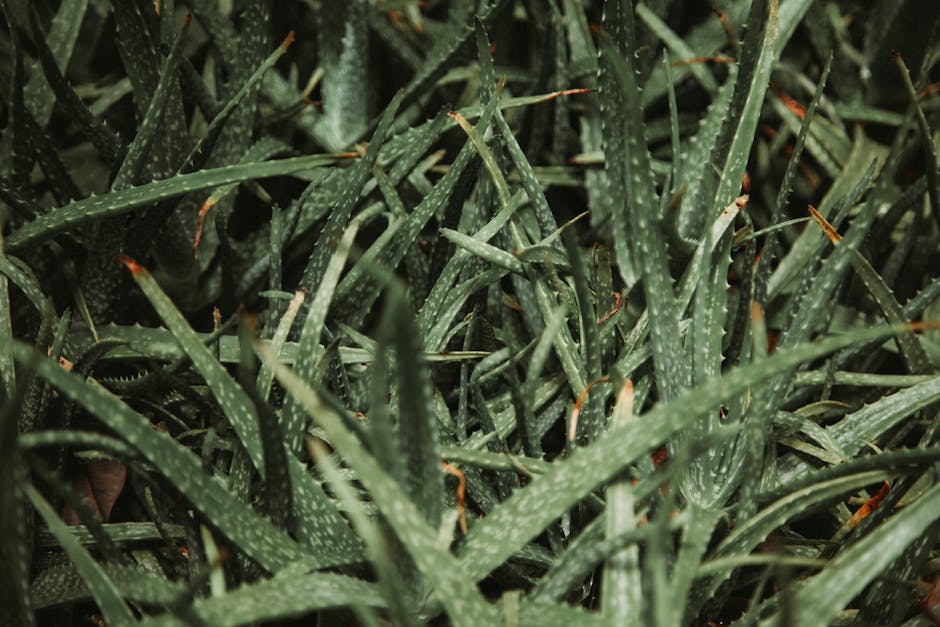
Aloe Vera Care
Medicinal succulent that's drought-tolerant and perfect for sunny windowsills.