
Hanging and Trailing Plants Collection: Best Cascading Houseplants for Baskets and High Shelves
Discover the most beautiful hanging and trailing houseplants perfect for baskets, shelves, and elevated displays that create stunning cascading green displays.
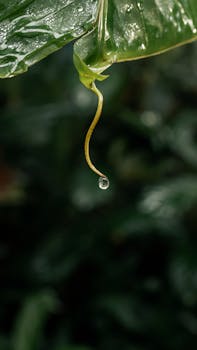
Hanging and trailing plants bring an enchanting touch to any home, inviting a lushness that transforms ordinary spaces into vibrant sanctuaries. The beauty of these plants lies not only in their aesthetic appeal but also in their ability to create dynamic visual displays. Imagine cascading green tendrils spilling over the edges of a basket, or gently draping from a high shelf, creating a stunning focal point that breathes life into your living area. These remarkable plants are perfect for anyone looking to enhance their indoor garden with a sense of verticality and movement.
As we delve into the world of hanging and trailing plants, you’ll discover how these botanical wonders can complement your home décor while providing a sense of tranquility and connection to nature. Whether you’re an experienced plant parent or just beginning your journey into indoor gardening, this collection of cascading houseplants will inspire you to elevate your green space. Embrace the beauty of nature indoors, and let your home flourish with the lush charm of these stunning plants.
Why Choose These Plants
The allure of hanging and trailing plants extends beyond mere decoration; they offer a unique way to bring the beauty of nature into your home while saving precious floor space. In today’s urban environments, where living areas often prioritize functionality over sprawling greenery, vertical gardening provides an elegant solution. By utilizing high shelves, hanging baskets, and wall-mounted planters, you can create a captivating display that not only beautifies your space but also enhances air quality and promotes well-being.
One of the most appealing aspects of these plants is their adaptability. Many of them thrive in indirect sunlight and require minimal maintenance, making them perfect companions for busy lifestyles. Their cascading nature adds a sense of movement and depth to your décor, transforming dull corners into vibrant living art. Furthermore, they encourage creativity in styling, allowing you to experiment with various arrangements and placements that reflect your personal taste.
By incorporating these trailing beauties into your home, you also embrace a lifestyle that values sustainability and a connection to the natural world. Plants are known to reduce stress, improve mood, and enhance focus, making them a vital addition to any living space. As you cultivate your collection, you’ll not only introduce stunning greenery into your environment but also foster a deeper appreciation for the beauty and resilience of nature.
Top Picks for Your Home
Among the myriad of options available, certain hanging and trailing plants have garnered attention for their unique characteristics and stunning appearances. For example, the classic English Ivy gracefully drapes from baskets or shelves, its vibrant green leaves creating a lush curtain of foliage. This plant is not only beautiful but also known for its air-purifying qualities, making it an excellent choice for enhancing indoor air quality.
Another popular choice is the String of Hearts, with its delicate, heart-shaped leaves that seem to dance in the air. This succulent plant is perfect for those who appreciate a touch of whimsy in their décor. Its trailing vines can stretch several feet long, creating a lovely cascade that adds depth and interest to any arrangement. Similarly, the Pothos, celebrated for its resilience and versatility, can thrive in a variety of lighting conditions and produces long trails of variegated leaves that can be trained to grow in any direction, allowing for endless styling possibilities.
The Trailing Jade, with its round, plump leaves, offers a unique textural contrast to other cascading plants. It thrives in bright, indirect light and is drought-tolerant, making it an excellent choice for those who may forget to water occasionally. For a more tropical vibe, consider the Philodendron Brasil, whose striking green and yellow variegated leaves create an eye-catching display. Its ability to adapt to a variety of environments makes it a beloved choice among both novice and seasoned plant enthusiasts.
Lastly, the Rhipsalis, or mistletoe cactus, is a fascinating option with its thin, trailing stems that add a unique aesthetic to any arrangement. This plant thrives in low light and can even tolerate humidity, making it an excellent choice for bathrooms or other moist environments. These selections highlight the beauty and diversity of hanging and trailing plants, each offering something unique to enhance your home.
Care Essentials
While the allure of hanging and trailing plants is undeniable, understanding their care requirements is crucial for ensuring they thrive in your home. Most of these plants prefer bright, indirect light, though some can adapt to lower light conditions. It’s important to observe your plants and adjust their positioning as needed to find the best lighting for each variety. For instance, while the Pothos can tolerate low light, it will exhibit more vibrant growth and color in brighter conditions.
Watering practices can vary significantly among different species. A general rule of thumb is to allow the top inch of soil to dry out before watering again, which helps prevent overwatering—one of the most common issues faced by indoor gardeners. Remember that hanging plants may dry out more quickly due to increased air circulation, so monitor their moisture levels accordingly. Using pots with drainage holes ensures excess water can escape, reducing the risk of root rot.
Fertilizing your trailing plants can encourage robust growth and vibrant foliage. During the growing season, typically spring and summer, feeding them with a balanced, water-soluble fertilizer every four to six weeks can promote healthy development. However, it’s essential to reduce or eliminate fertilization during the dormant winter months when plant growth slows down.
Pruning is another essential aspect of care. Regularly trimming back overgrown vines not only helps maintain an attractive shape but also encourages bushier growth. For plants like the String of Hearts, pinching back the tips of the vines can result in a fuller, more lush appearance. Additionally, removing any dead or yellowing leaves will keep your plants looking their best while also improving air circulation.
Common Challenges
Despite their beauty and adaptability, hanging and trailing plants can present challenges that any plant lover should be prepared to address. One common issue is pest infestations, particularly with houseplants that may attract aphids, spider mites, or mealybugs. Regularly inspecting your plants for signs of pests is essential, as early detection can prevent a small problem from becoming a larger issue. If you notice any unwelcome guests, treatment options range from neem oil sprays to insecticidal soap, both of which are effective and safe for indoor use.
Another challenge is maintaining proper humidity levels, especially for tropical varieties that thrive in moist environments. Dry air, particularly during winter months when heating systems are in use, can lead to crispy leaf edges or stunted growth. To combat low humidity, consider placing a humidifier nearby or misting your plants regularly. Grouping plants together can also create a microenvironment with higher humidity levels, as they release moisture into the air.
Lighting conditions can also pose a challenge, especially if your home has limited natural light. In such cases, consider using grow lights designed to provide the specific wavelengths that plants need for photosynthesis. These lights can be particularly beneficial during the darker months when natural sunlight is scarce.
Lastly, as your plants grow, you may find that repotting becomes necessary. Plants like Pothos can quickly outgrow their containers, leading to root-bound conditions that stunt growth. If you notice roots coming out of the drainage holes or circling the top of the soil, it may be time for a larger pot. Choose a container with adequate drainage, and be gentle when transferring your plant to minimize stress.
Styling Ideas
Incorporating hanging and trailing plants into your home décor invites endless opportunities for creativity and expression. These plants can be used in various ways to enhance your interior design while infusing your space with life and color. For instance, hanging baskets can be suspended from the ceiling, creating a visually appealing display that draws the eye upward and adds dimension to your room. Consider mixing different plant varieties in a single basket for a lush, layered effect that captivates the imagination.
Wall-mounted planters are another fantastic way to showcase your cascading plants. By arranging a series of planters on a wall, you can create a living tapestry that serves as a stunning focal point. This approach allows you to experiment with varying heights and plant textures, resulting in a unique and dynamic display. Additionally, using decorative pots or planters can further enhance the overall aesthetic, allowing you to coordinate colors and styles with your existing décor.
For those with limited vertical space, consider using shelves or floating ledges to showcase your plants. Placing trailing varieties on higher shelves enables their vines to cascade gracefully, creating an elegant waterfall effect. This not only highlights the beauty of the plants but also adds a touch of whimsy and charm to your space. Alternatively, you can create a plant shelfie, a popular trend where you curate an arrangement of plants in different heights, textures, and colors, resulting in an eye-catching and vibrant display.
In outdoor spaces, hanging and trailing plants can also play a significant role. If you have a balcony or patio, consider using hanging baskets to create a lush oasis. Choose plants that thrive in your climate and enjoy the opportunity to mix and match various species for a vibrant outdoor display. The sound of gentle breezes rustling through the leaves will create a soothing atmosphere while inviting relaxation and enjoyment of nature.
Getting Started
Embarking on your journey with hanging and trailing plants is an exciting endeavor that can bring joy, beauty, and a sense of accomplishment to your home. Begin by selecting the right plants that resonate with your style and lifestyle. Consider your available light conditions, space, and how much time you can dedicate to plant care. Once you’ve chosen your plants, gather the necessary supplies, including pots with drainage holes, potting soil, and any tools you may need for watering or pruning.
When it comes time to pot your plants, be gentle and handle the roots with care to minimize transplant shock. Ensure that your pots are appropriately sized; if they’re too large, the soil can retain excess moisture, leading to root rot. If you’re unsure, start with a pot that is just a couple of inches larger than the current container.
After potting, find the perfect spot for your plants, taking into account their light requirements. It may take some time to observe how they respond to their new environment, so be patient and willing to make adjustments if necessary. As you care for your plants, remember to connect with them. Observe their growth, watch for any changes, and foster a sense of nurturing that will enrich your experience as a plant parent.
Ultimately, the journey of nurturing hanging and trailing plants is not just about creating a beautiful home; it’s about establishing a bond with nature that enriches your life. As these plants flourish, they will remind you of the beauty and resilience of the natural world, inviting you to cultivate a deeper appreciation for the green spaces that surround us. So go ahead, embrace the cascading charm of these remarkable houseplants, and let your indoor garden flourish with life and vitality.
Safety Note: Always research the toxicity of plants before bringing them into homes with pets or small children.
Plants in this Collection
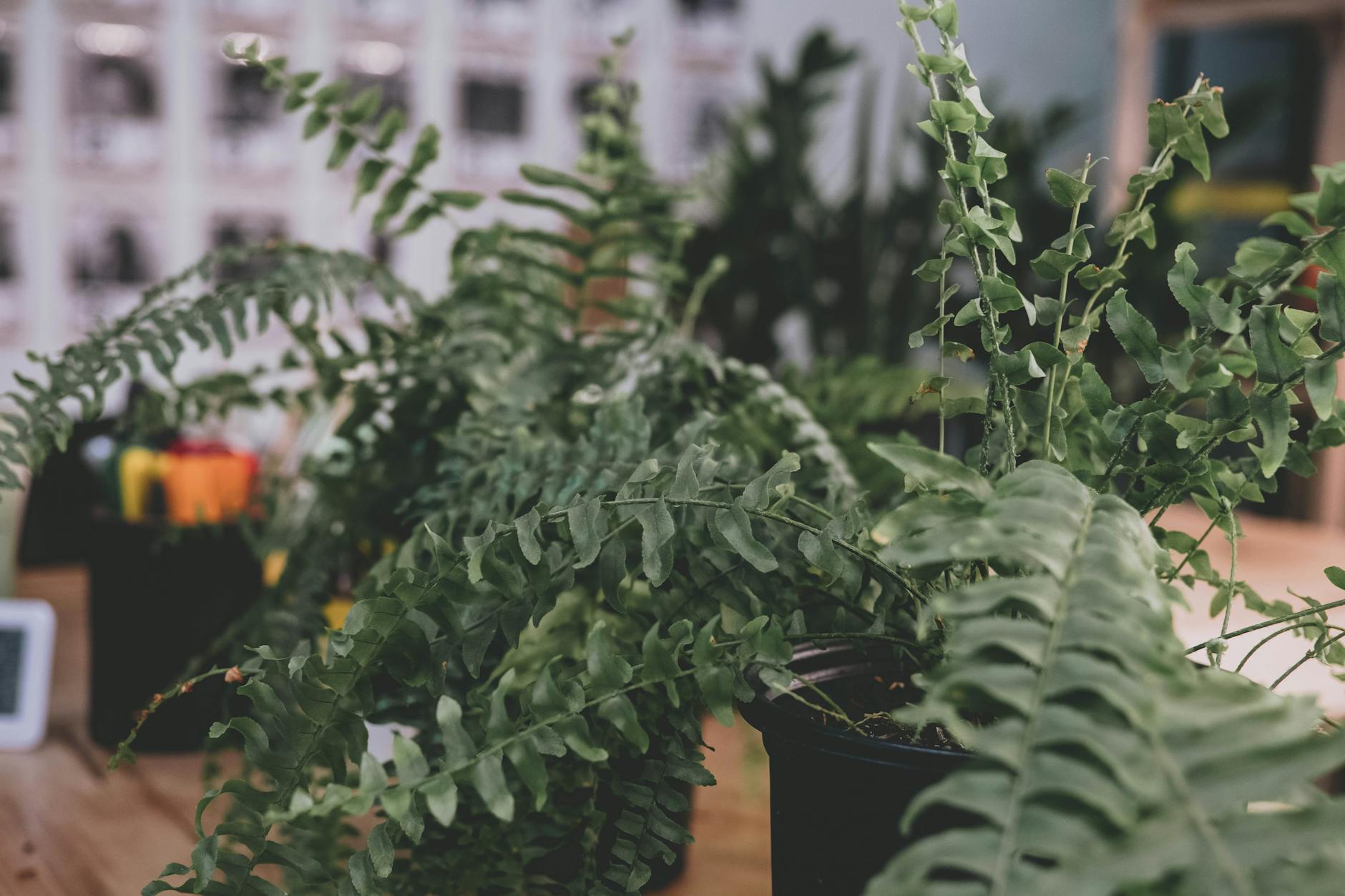
Boston Fern Care Guide: Complete Instructions for Nephrolepis Exaltata
Learn how to care for Boston Ferns with our comprehensive guide covering humidity, watering, light requirements, and maintaining lush, cascading fronds indoors.

English Ivy Care Guide: Complete Instructions for Hedera Helix
Learn how to care for English Ivy with our comprehensive guide covering light, watering, propagation, and maintaining healthy trailing growth indoors.

Neon Pothos Care Guide: Complete Instructions for Epipremnum Aureum Neon
Learn how to care for Neon Pothos (Epipremnum Aureum Neon) with our comprehensive guide covering light, watering, propagation, and maintaining vibrant chartreuse coloring.
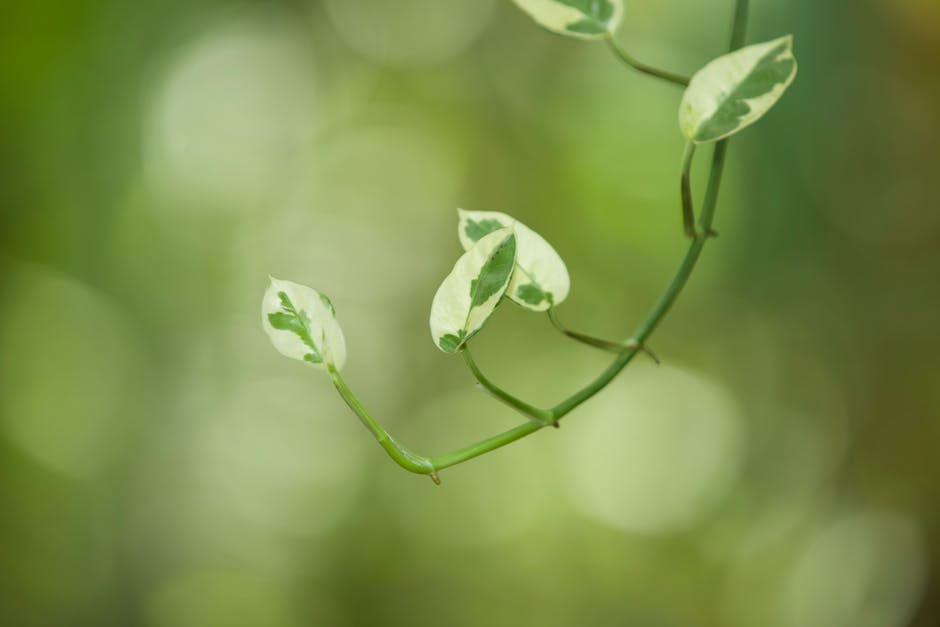
Golden Pothos Care Guide: Complete Devil's Ivy Instructions
Learn comprehensive care for Golden Pothos (Epipremnum aureum) including watering, light, propagation, and troubleshooting for this popular trailing plant.
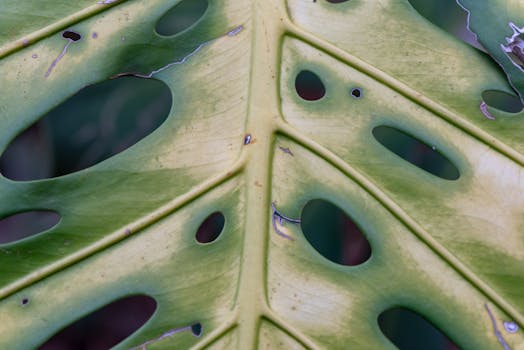
Philodendron Brasil Care Guide: Complete Heart-Leaf Variegated Instructions
Learn how to care for Philodendron Brasil with our comprehensive guide covering light, watering, propagation, and maintaining beautiful variegation.
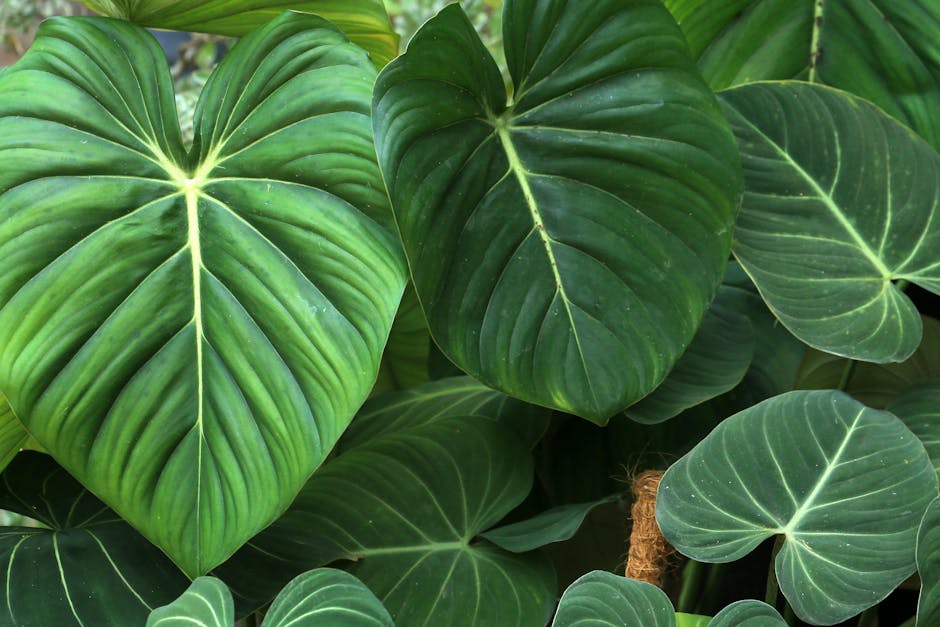
Philodendron Care Guide: Complete Heartleaf Philodendron Instructions
Learn comprehensive Philodendron care including watering, light, humidity, propagation, and varieties of this popular trailing houseplant.