
Bedroom Plants Collection: Best Sleep-Friendly Plants for Better Rest and Air Quality
Discover the best plants for bedrooms that improve air quality, promote better sleep, and create a peaceful nighttime environment while thriving in low light.

Creating a restful sanctuary in your bedroom is essential for achieving quality sleep and rejuvenation. One often overlooked yet powerful addition to this serene space is the inclusion of plants. Not only do they enhance the aesthetic appeal of your room, but they also significantly contribute to improved air quality and promote a calming atmosphere conducive to relaxation. Studies have shown that certain plants can play a vital role in ensuring better sleep by providing oxygen at night and filtering out harmful toxins, making your sleeping environment healthier and more inviting.
Imagine stepping into your bedroom and being greeted by lush greenery, a sense of tranquility, and the subtle fragrance of nature. These bedroom plants can transform your space into a peaceful retreat that fosters restful nights while enhancing your overall well-being. By surrounding yourself with the right flora, you create an environment that not only looks good but feels good too, supporting your body’s natural rhythms and encouraging restorative sleep.
In this article, we will explore the best sleep-friendly plants to include in your bedroom. We will delve into why these plants are ideal for your sleeping quarters, offer tips on their care, address common challenges you may face, provide styling inspiration, and guide you on how to get started on your journey toward a greener, healthier bedroom.
Why Choose These Plants
The selection of plants that thrive in the bedroom is based on their unique ability to purify the air and enhance the sleeping experience. Many of these plants release oxygen during the night, contrary to most plants that perform this function during the day. This nocturnal oxygenation can lead to a more restful sleep by ensuring that you breathe in clean, fresh air throughout the night.
Additionally, the presence of plants in your bedroom can help to reduce stress and anxiety, promoting a peaceful mindset. The act of caring for plants can also be therapeutic, providing a sense of purpose and connection to nature that is often missing in our fast-paced lives. Furthermore, many of these plants are exceptionally low-maintenance, making them perfect for individuals who may not have a green thumb or for those who lead busy lives.
The interplay of beauty and functionality in these plants not only enhances your bedroom’s décor but also creates an ambiance that encourages relaxation and introspection. By integrating these green companions into your space, you are not just investing in home aesthetics; you are investing in your health and well-being.
Top Picks for Your Home
As you embark on the journey of selecting the ideal plants for your bedroom, there are several standout choices that have proven to be particularly effective in promoting better sleep and purifying the air. Among these, the Snake Plant stands out as a resilient and hardy option. Known for its striking architectural shape and ability to thrive in low light, this plant releases oxygen at night, making it an excellent choice for any bedroom.
Another fantastic option is the Peace Lily, an elegant flowering plant that not only beautifies your space but also excels at removing toxins from the air. Its peaceful presence and soft white blooms create a serene atmosphere, enhancing your room’s tranquility. The Lavender plant, with its soothing scent, is a classic choice for promoting relaxation and calming the mind, making it a wonderful addition to your nighttime routine.
For those who prefer a succulent, the Aloe Vera plant is a great pick. This hardy succulent not only boasts air-purifying qualities but also has the added benefit of being a natural healer for minor skin irritations. Similarly, the Spider Plant is renowned for its adaptability and easy care, making it an ideal companion for beginners. Its ability to thrive in indirect sunlight and its air-purifying properties make it a popular choice among plant enthusiasts.
Filling your bedroom with these sleep-promoting plants will not only enhance the aesthetic but also create a nurturing environment that invites rest and relaxation.
Care Essentials
Caring for your bedroom plants is crucial to ensuring they thrive and continue to contribute positively to your sleep environment. While many of these plants are known for their hardiness and low maintenance needs, understanding their specific care requirements will greatly enhance their longevity and effectiveness.
Most of the recommended plants prefer indirect light, making them perfect for bedrooms that may not receive abundant sunlight. It’s essential to place them in a spot where they can receive bright, filtered light without being exposed to harsh direct sunlight, which can scorch their leaves. Regularly rotating the plants can help them grow evenly, promoting a fuller appearance.
Watering is another vital aspect of plant care. Overwatering is a common mistake, as it can lead to root rot, while underwatering can stress the plant. A general rule of thumb is to allow the top inch of soil to dry out before adding more water. Each plant has its own specific needs, so observing their behavior will guide you in determining the right watering schedule.
Fertilizing your plants during the growing season, typically spring and summer, can provide them with the nutrients they need to flourish. A balanced, diluted liquid fertilizer is usually effective, but be sure to follow the instructions to avoid over-fertilization, which can be harmful.
Finally, keeping an eye out for pests is essential. While many bedroom plants are relatively pest-resistant, it’s wise to regularly inspect the leaves and stems for signs of distress. Should any pests appear, natural remedies such as neem oil or insecticidal soap can help manage the situation without harming the plant or your indoor environment.
Common Challenges
While the journey of introducing plants into your bedroom is largely rewarding, it is not without its challenges. One of the most common issues that plant enthusiasts encounter is adjusting to the specific light conditions of their space. Bedrooms often have varying levels of natural light, and some plants may struggle to adapt to lower light conditions. However, the selection of low-light tolerant plants can mitigate this issue, ensuring that you find the right match for your unique environment.
Another challenge is maintaining proper humidity levels. Many houseplants thrive in humid conditions, which can sometimes be lacking in bedrooms, especially during winter months when heating systems are in use. To address this, consider placing a small humidifier in your room or grouping plants together to create a microclimate of moisture. Alternatively, misting your plants regularly can provide the humidity they crave while also keeping them looking fresh.
Pests can also pose a challenge, particularly if you’re bringing in new plants from outside. It’s vital to inspect any new additions for pests before introducing them to your bedroom. Regularly cleaning the leaves of your plants can help prevent infestations and keep them healthy. If you notice any signs of pests, swift action is key; removing affected leaves and treating the plants with natural pest control methods can help manage the situation.
Lastly, some individuals may find it challenging to balance their busy lifestyles with the care demands of their plants. This is where selecting low-maintenance varieties and establishing a straightforward care routine can make a significant difference. By setting reminders for watering and care tasks, you can ensure your plants thrive without overwhelming your schedule.
Styling Ideas
Incorporating plants into your bedroom design can elevate the space while creating a calming atmosphere. The key is to blend the plants seamlessly with your existing décor, enhancing your room’s aesthetic rather than overwhelming it.
Consider using decorative pots that complement your bedroom’s color scheme. Textured ceramics, woven baskets, or sleek modern planters can add visual interest and create a cohesive look. Grouping plants of varying heights and sizes can create a dynamic focal point, drawing the eye and adding depth to your space. For instance, place taller plants like the Snake Plant on the floor or on a plant stand, while smaller ones like the Peace Lily can adorn your bedside table or a shelf.
Hanging plants is another excellent way to introduce greenery without taking up valuable surface space. Macramé hangers or wall-mounted planters can create a beautiful display while also making the room feel more open and airy. This technique is particularly effective for trailing plants, such as the Pothos, which can create a stunning cascade of green that softens the room.
For those who prefer a more minimalist approach, consider a single statement plant placed strategically in a corner or next to a window. This not only adds a touch of nature but also serves as an inviting invitation for relaxation.
Lastly, integrating plants into your nighttime routine can enhance their calming effects. Consider placing a lavender plant on your nightstand, allowing its soothing scent to guide you into a restful sleep. By thoughtfully incorporating plants into your bedroom’s design, you can create a harmonious and tranquil space that nurtures both your aesthetic sensibilities and your well-being.
Getting Started
Embarking on the journey of creating a plant-friendly bedroom is an exciting and fulfilling endeavor. To begin, assess your space and determine which plants resonate with you and your lifestyle. Consider factors such as light availability, your personal aesthetic, and the level of care you’re willing to commit to.
Once you’ve selected your plants, find the perfect spots in your bedroom that cater to their light and humidity needs. Remember that placement is key; avoid spots that are too close to heating vents or air conditioning units, as these can dry out the plants.
As you start to nurture your plants, take time to familiarize yourself with their specific care requirements. This knowledge will empower you to provide the best environment for them to thrive. Establish a simple care routine that fits your lifestyle, allowing you to enjoy your plants without feeling overwhelmed.
Incorporating plants into your bedroom not only beautifies your space but also invites the tranquility of nature into your home. As you witness the positive effects on your sleep and overall well-being, you may find yourself inspired to expand your collection, creating your very own indoor oasis.
By choosing the right plants and giving them the care they need, you’ll soon discover the profound impact that greenery can have on your life. With each new leaf unfurling and every bloom emerging, you’ll be reminded of the beauty of nature and its ability to nurture our spirits and enhance our rest.
Safety Note: Always research the toxicity of plants before bringing them into homes with pets or small children.
Plants in this Collection

Aglaonema Silver Bay Care Guide: Complete Instructions for Chinese Evergreen Beauty
Learn how to care for Aglaonema Silver Bay with our comprehensive guide covering light, watering, humidity, and maintaining stunning silver variegation in this easy-care houseplant.
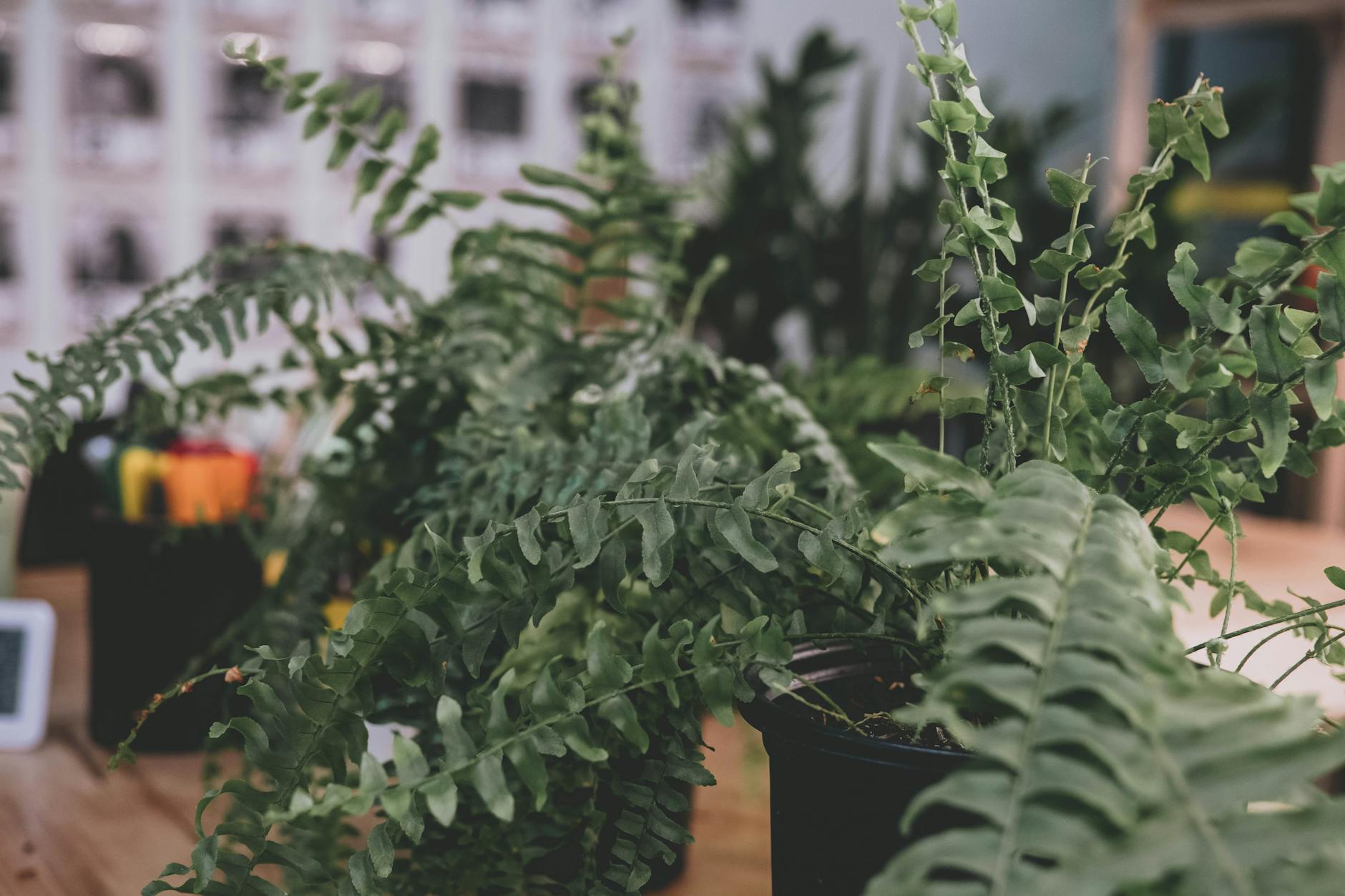
Boston Fern Care Guide: Complete Instructions for Nephrolepis Exaltata
Learn how to care for Boston Ferns with our comprehensive guide covering humidity, watering, light requirements, and maintaining lush, cascading fronds indoors.
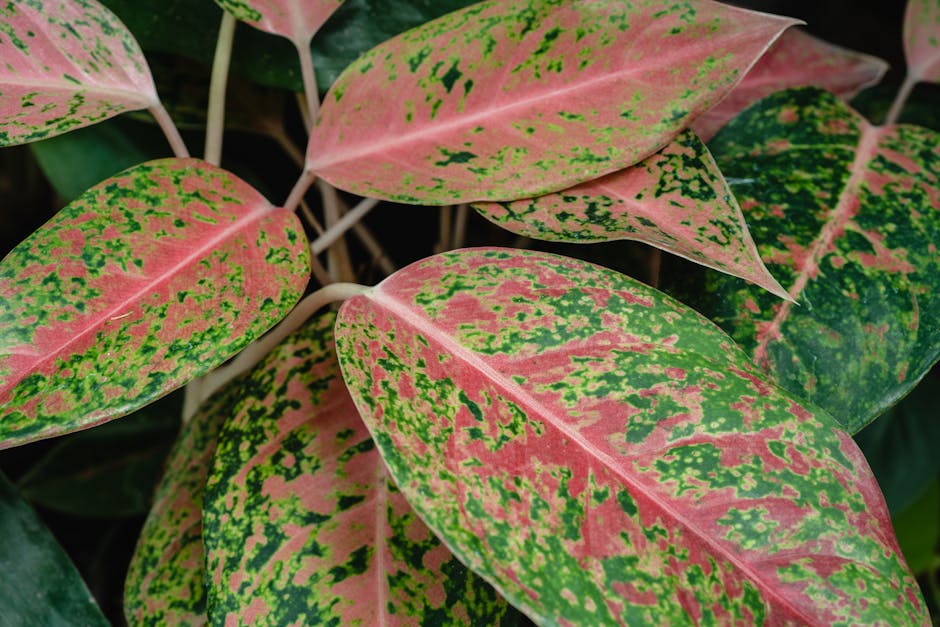
Chinese Evergreen Care Guide: Complete Aglaonema Instructions
Learn comprehensive Chinese Evergreen (Aglaonema) care including light tolerance, watering, colorful varieties, and troubleshooting for this adaptable houseplant.
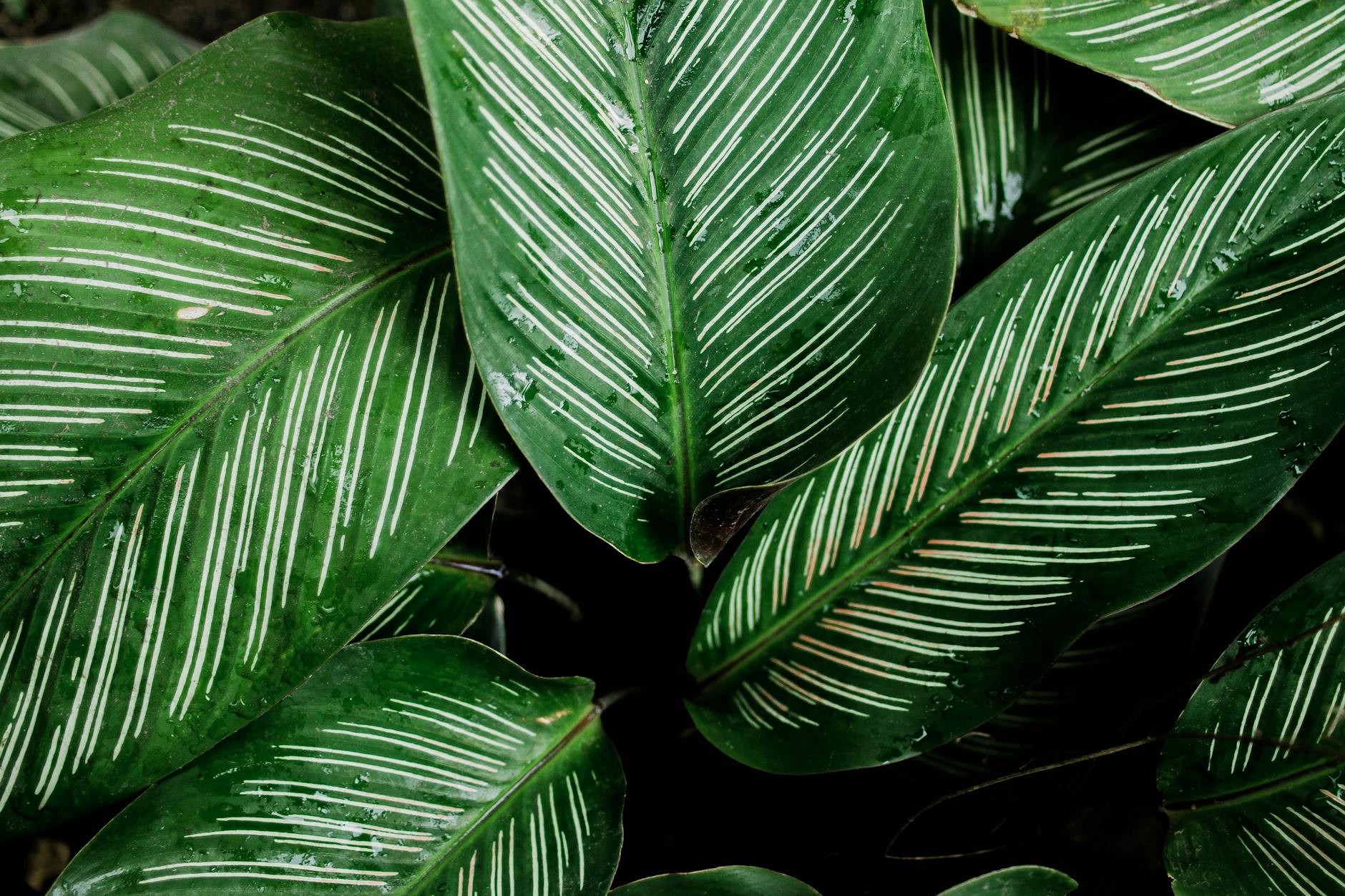
Calathea Care Guide: Complete Instructions for Prayer Plants
Learn how to care for Calathea plants with our comprehensive guide covering humidity, watering, light requirements, and maintaining beautiful patterned foliage.

Dracaena Marginata Care Guide: Complete Instructions for Dragon Tree
Learn how to care for Dracaena Marginata (Dragon Tree) with our comprehensive guide covering light, watering, pruning, and maintaining healthy growth indoors.

Dracaena Care Guide: Complete Dragon Tree Instructions
Learn comprehensive Dracaena care including watering, light, pruning, and varieties. Perfect guide for Dragon Tree, Corn Plant, and other Dracaena species.