
Monstera Thai Constellation Care Guide: Complete Variegated Plant Instructions
Learn how to care for Monstera Thai Constellation with our expert guide covering light, watering, propagation, and maintaining beautiful variegation.
Quick Care Guide
Bright, indirect light (6-8 hours daily)
When top 2 inches of soil dry (every 7-10 days)
High humidity preferred (60-80%)
65-85°F (18-29°C)
Well-draining, chunky aroid mix
Monthly during growing season
Keep away from cats, dogs, and children
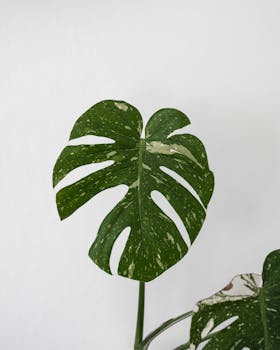
The Monstera Thai Constellation is a botanical marvel that has captured the hearts of plant enthusiasts around the globe. This rare variety of the classic Monstera Deliciosa boasts striking cream and white variegation, making it a sought-after addition to any indoor jungle. As a climbing plant native to the tropical rainforests of Central America, it brings a touch of the exotic into your home while serving as a statement piece that sparks conversation. However, caring for a Monstera Thai Constellation requires an understanding of its unique needs, particularly when it comes to light, watering, and humidity.
In this comprehensive care guide, we will delve into the essentials of nurturing your Monstera Thai Constellation, ensuring that it thrives and showcases its stunning foliage. Whether you are an experienced plant parent or a novice looking to expand your collection, our expert advice will help you cultivate this extraordinary plant to its full potential.
Getting to Know Your Plant
To truly appreciate the beauty of the Monstera Thai Constellation, it’s essential to understand its characteristics and origin. This tropical vining plant is known for its unique leaf patterns, featuring white and cream splashes against a lush green backdrop. The variegation is not only aesthetically pleasing but also a testament to the plant’s health and vitality. The more pronounced the variegation, the more desirable the plant becomes, leading to its status as a rare gem in the world of houseplants.
As a climbing plant, the Monstera Thai Constellation naturally seeks vertical spaces, often wrapping itself around nearby trees in the wild. This trait means that providing a support structure, such as a moss pole or trellis, will not only enhance its growth but also encourage a more dramatic display of its beautiful leaves. Understanding the plant’s natural habitat is key to replicating the conditions it thrives in, which includes bright light, high humidity, and a well-draining soil mix.
Light Requirements
When it comes to light, the Monstera Thai Constellation is not too demanding, but it does require careful attention to ensure its variegation remains vibrant. This plant thrives in bright, indirect light for approximately six to eight hours daily. Direct sunlight can scorch its delicate leaves, leading to unsightly brown patches and compromised variegation. Conversely, insufficient light can result in a loss of the stunning white and cream patterns that make this plant so desirable.
To strike the perfect balance, place your Monstera Thai Constellation near a window with filtered light or use sheer curtains to diffuse the sunlight. Observing your plant closely will help you determine whether it’s receiving the right amount of light. If you notice that the leaves are losing their variegation or becoming overly elongated, it may be a signal that it’s time to reposition your plant to a brighter location.
Watering Guidelines
Watering your Monstera Thai Constellation is a delicate balance that requires attention to its specific needs. Generally, you should water your plant when the top two inches of soil feel dry to the touch. This usually translates to a watering schedule of every seven to ten days, but it’s important to check the soil moisture regularly, especially during different seasons when the plant’s water requirements may change.
Overwatering is a common issue, particularly for variegated plants, as their sensitive sections can suffer from root rot if the soil remains too damp. When you do water, ensure that you provide enough to allow for drainage, allowing the roots to absorb moisture while preventing standing water in the pot. This method promotes healthy root growth and helps maintain the overall vigor of your Monstera Thai Constellation.
Soil and Potting Requirements
Creating the right environment for your Monstera Thai Constellation starts with selecting an appropriate soil mix. A well-draining, chunky aroid mix is ideal, as it provides the aeration and drainage that the plant needs to thrive. A combination of potting soil, orchid bark, perlite, and coconut coir can create an excellent medium that allows for proper moisture retention while ensuring excess water flows away from the roots.
When potting your Monstera, choose a container with drainage holes to further prevent water accumulation. As the plant grows, it will require repotting every couple of years or when it outgrows its container. During repotting, ensure you handle the roots gently to avoid damage and consider upgrading to a slightly larger pot to give your plant room to expand. The right soil and potting strategy play a crucial role in maintaining the health and vibrancy of your Monstera Thai Constellation.
Temperature and Humidity
Temperature and humidity are critical factors in the care of your Monstera Thai Constellation. This tropical plant prefers temperatures ranging from 65 to 85 degrees Fahrenheit (18 to 29 degrees Celsius). It’s essential to protect your plant from cold drafts and sudden temperature fluctuations, as these can lead to stress and hinder growth.
Humidity is another vital aspect of care for the Monstera Thai Constellation. Ideally, this plant thrives in environments with high humidity levels of 60% to 80%. If you live in a drier climate or during the winter months, consider using a humidifier to maintain the necessary moisture in the air. Alternatively, you can group your plants together, as they will create a microclimate with higher humidity. Regular misting can also help, but be cautious not to overdo it, as excessive water on the leaves can promote fungal issues.
Fertilizing Schedule
To ensure that your Monstera Thai Constellation continues to flourish, incorporating a regular fertilizing schedule during the growing season is essential. You should aim to fertilize your plant monthly with a balanced, water-soluble fertilizer diluted to half strength. This approach provides the necessary nutrients without overwhelming the plant.
During the fall and winter months, when growth naturally slows down, you can reduce or even pause fertilization. This cyclical approach allows your plant to rest while still maintaining the essential nutrients it needs. Be mindful of specific signs that may indicate nutrient deficiencies, such as yellowing leaves or stunted growth, and adjust your fertilizing routine accordingly.
Propagation Methods
One of the joys of caring for a Monstera Thai Constellation is the opportunity for propagation. This plant can be propagated through stem cuttings, ideally when you have a section of the stem that includes at least one node. The node is crucial, as it is where new growth will emerge. To propagate, simply take a clean cutting, ensuring that it contains a node, and place it in water or a moist aroid mix.
It’s important to note that while propagation can produce new plants, the variegation seen in the original plant may not always be replicated in the offspring. This factor adds to the allure of the Monstera Thai Constellation, making the original specimen particularly valuable. Once roots develop, you can transfer the cutting to soil, where it can continue to grow into a beautiful new plant, adding to your indoor oasis.
Common Problems and Solutions
Despite your best efforts, you may encounter some challenges while caring for your Monstera Thai Constellation. One common issue is the loss of variegation, which often indicates that the plant is not receiving enough light. If you notice the creamy patterns diminishing, consider relocating your plant to a brighter spot with filtered light to restore its vibrant colors.
Another frequent concern is browning leaf edges, which can stem from low humidity, overwatering, or exposure to direct sunlight. To remedy this, ensure that your plant is in a humid environment and adjust your watering habits to prevent overly wet soil. Additionally, protect your Monstera from harsh sunlight that can damage the delicate leaves.
Pests such as spider mites and mealybugs can also pose a threat to your Monstera Thai Constellation. Regularly inspect your plant for any signs of infestation, and if detected, treat it promptly with insecticidal soap or neem oil. Maintaining a clean, healthy environment for your plant will help mitigate these issues and keep your Monstera thriving.
Seasonal Care Adjustments
As the seasons change, so too should your care routine for the Monstera Thai Constellation. During the spring and summer months, when the plant is in its active growth phase, it will appreciate the extra attention in terms of watering, fertilizing, and humidity. This is the ideal time to encourage new growth and monitor for any signs of pests or diseases that may arise in the warm weather.
As autumn approaches and temperatures begin to drop, it’s essential to gradually reduce watering and fertilization. The plant will require less moisture and nutrients as it enters its dormant phase. Be vigilant about protecting your Monstera from drafts and cold air, as these can be detrimental to its health.
In winter, maintaining humidity levels becomes increasingly vital. Consider using a humidifier or placing a pebble tray filled with water near the plant to enhance moisture in the air. Adjust your lighting as well, as shorter days may require you to supplement with grow lights to ensure your Monstera Thai Constellation receives adequate light to thrive.
By understanding the seasonal needs of your Monstera Thai Constellation and making the necessary adjustments, you will set the stage for a healthy, thriving plant that continues to delight with its stunning variegated leaves.
In conclusion, the Monstera Thai Constellation is a remarkable plant that requires a bit of care and attention to flourish. By following the guidelines laid out in this comprehensive care guide, you will be well-equipped to nurture this rare beauty and enjoy its stunning presence in your home for years to come. Whether you are a seasoned plant parent or embarking on your journey into the world of tropical plants, the Monstera Thai Constellation promises to be a rewarding and captivating companion.
Safety Note: Monstera Thai Constellation contains compounds that are toxic to cats, dogs, and humans if ingested. Keep plants out of reach of curious pets and small children. Contact a veterinarian or poison control center if ingestion occurs.
Frequently Asked Questions
How much light does Monstera Thai Constellation need? ▼
Provide bright, indirect light for 6-8 hours daily. Direct sunlight can scorch the variegated leaves, while too little light reduces variegation.
Why is my Monstera Thai Constellation losing variegation? ▼
Loss of variegation usually indicates insufficient light. Move to a brighter location with indirect sunlight to maintain white patterns.
How often should I water my Monstera Thai Constellation? ▼
Water when the top 2 inches of soil are dry, typically every 7-10 days. Variegated sections are more sensitive to overwatering.
Can I propagate Monstera Thai Constellation? ▼
Yes, propagate through stem cuttings with nodes. Variegation may not be guaranteed in propagated plants, making original plants valuable.
Why are the leaves on my Thai Constellation turning brown? ▼
Brown edges usually indicate low humidity, overwatering, or direct sun damage. Maintain 60%+ humidity and check watering practices.
Explore Related Topics
Was this guide helpful?
Your input helps us improve our guides.
How can we improve this guide?
Similar Plants You Might Like

Aglaonema Silver Bay Care Guide: Complete Instructions for Chinese Evergreen Beauty
Learn how to care for Aglaonema Silver Bay with our comprehensive guide covering light, watering, humidity, and maintaining stunning silver variegation in this easy-care houseplant.
Easy
Calathea White Fusion Care Guide: Complete Instructions for Prayer Plant Beauty
Learn how to care for Calathea White Fusion with our comprehensive guide covering humidity, watering, light requirements, and troubleshooting for stunning variegated foliage.
Moderate
English Ivy Care Guide: Complete Instructions for Hedera Helix
Learn how to care for English Ivy with our comprehensive guide covering light, watering, propagation, and maintaining healthy trailing growth indoors.
Easy