
Monstera Adansonii Care Guide: Complete Swiss Cheese Vine Instructions
Learn comprehensive Monstera adansonii care including fenestration development, climbing support, propagation, and troubleshooting for this popular Swiss Cheese Vine.
Quick Care Guide
Bright, indirect light
Water when top inch of soil is dry
50-60% humidity preferred
65-80°F (18-27°C)
Well-draining, chunky aroid mix
Monthly during growing season
Keep away from cats, dogs, and children
Monstera adansonii, affectionately known as the Swiss Cheese Vine, has captured the hearts of plant enthusiasts and casual gardeners alike. With its distinctive fenestrated leaves that resemble Swiss cheese, this tropical beauty brings a touch of the exotic indoors. As it climbs and spreads, it creates an enchanting display that can transform any living space into a lush oasis. Whether you’re a seasoned plant parent or just starting your green journey, understanding how to care for this captivating species will ensure its vibrant growth and health.
As a member of the Araceae family, Monstera adansonii is native to the tropical rainforests of Central and South America. It naturally thrives in the understory of these rich environments, where dappled sunlight filters through the canopy above. This unique habitat has endowed the plant with some specific care requirements that, when met, will encourage robust growth and the stunning fenestrations that make it so desirable.
In this comprehensive care guide, you will learn everything you need to know about nurturing your Monstera adansonii, from providing the right light and water to understanding its propagation needs and troubleshooting common issues. So, let us delve into the world of this beautiful climbing plant and discover how to create the ideal conditions for your Swiss Cheese Vine to flourish.
Getting to Know Your Plant
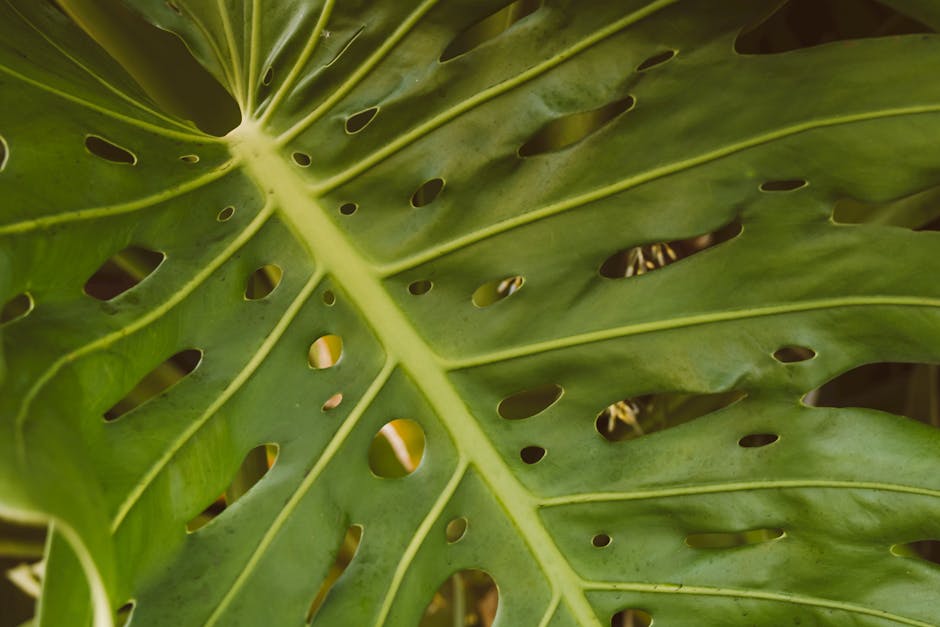
Before diving into the specifics of caring for your Monstera adansonii, it’s essential to understand its characteristics and growth habits. This tropical vine can grow quite large, reaching heights of up to 10 feet in its natural habitat, although it is often kept more compact when grown indoors. The leaves are heart-shaped and develop distinctive holes, known as fenestrations, as they mature. These holes serve a practical purpose in the wild, allowing wind to pass through and reducing the risk of damage during storms.
In your home, the growth pattern of Monstera adansonii can be influenced by the environment you provide. As a climbing plant, it naturally seeks vertical support, which is where moss poles or trellises come into play. Providing these structures not only encourages upward growth but also contributes to the development of larger, more fenestrated leaves.
Understanding these aspects of Monstera adansonii will help you create an environment that mirrors its native habitat while allowing it to thrive and mesmerize anyone who lays eyes on it.
Light Requirements
Light is one of the most critical factors in ensuring the health and growth of your Monstera adansonii. Ideally, this plant prefers bright, indirect light, mimicking the dappled sunlight it would receive in the wild. Direct sunlight can scorch its delicate leaves, leading to unsightly brown patches and overall stress for the plant. If you notice your Swiss Cheese Vine stretching towards a light source, it may be an indication that it is not receiving enough light, prompting it to reach out for more.
To achieve the best results, place your Monstera adansonii near a window that receives bright, filtered light. If your space lacks adequate natural light, consider using a grow light to supplement its needs. The goal is to provide your plant with enough light to promote healthy growth and the development of those coveted fenestrations.
As your plant matures, you may notice that the light requirements might shift slightly. Juvenile plants may thrive in lower light conditions, but as they grow and seek to climb, they will benefit from increased brightness. This change is crucial for encouraging larger leaves with more holes, a hallmark of a well-cared-for Monstera adansonii.
Watering Guidelines
Watering is another fundamental aspect of Monstera adansonii care that requires attention and understanding. This plant prefers to be watered when the top inch of soil feels dry to the touch. Overwatering can lead to root rot, which is one of the most common issues faced by plant parents. Conversely, allowing the plant to become too dry can also hinder its growth, leading to drooping leaves and a lack of vitality.
To establish a consistent watering routine, it’s helpful to monitor your plant closely. Factors such as temperature, humidity, and the size of the pot can all influence how quickly the soil dries out. During the growing season, which typically spans from spring to early fall, you may find that your Monstera adansonii requires more frequent watering as it actively grows. In the cooler months, reduce the frequency, allowing the plant to rest.
When you do water, ensure that you provide a thorough soak, allowing excess water to drain from the bottom of the pot. This practice encourages healthy root development and helps prevent water from pooling, which can lead to root issues over time. Observing your plant’s response to your watering schedule will guide you in finding the perfect balance for its needs.
Soil and Potting Requirements
The choice of soil plays a pivotal role in the overall health of your Monstera adansonii. A well-draining, chunky aroid mix is ideal, as it mimics the loose, organic matter found in the plant’s natural habitat. This type of soil allows for good aeration and drainage, preventing water from accumulating around the roots. A mix containing ingredients such as orchid bark, perlite, and coconut coir is an excellent option for creating that perfect blend of moisture retention and drainage.
When potting your Monstera adansonii, choose a pot that provides ample room for growth while also allowing for adequate drainage. Terracotta pots are a popular choice due to their breathability and ability to wick away excess moisture. However, plastic pots can also work well if they have drainage holes.
As your plant grows, you may need to repot it every couple of years to refresh the soil and provide it with a larger space for its roots to expand. When repotting, be gentle with the roots and avoid disturbing them too much, as this can cause unnecessary stress. Instead, aim to gently transfer the plant into a slightly larger pot with fresh soil, ensuring it continues to thrive in its new environment.
Temperature and Humidity
Monstera adansonii thrives in a warm and humid environment, making it essential to replicate these conditions as closely as possible in your home. The ideal temperature range for this plant is between 65 to 80°F (18 to 27°C). It’s best to avoid placing your Swiss Cheese Vine near drafty windows or air conditioning vents, as sudden temperature fluctuations can stress the plant and hinder its growth.
In terms of humidity, Monstera adansonii prefers levels between 50-60%. If your home is particularly dry, especially during the winter months, consider using a humidifier or placing the pot on a tray filled with pebbles and water to create a more humid microclimate. Grouping your plant with others can also help maintain higher humidity levels, as plants naturally release moisture into the air.
Monitoring humidity can be done with a simple hygrometer, which will help you keep track of the moisture levels in your space. If you notice that your plant’s leaves are curling or developing brown edges, it may be a sign that humidity levels are too low, prompting you to take action to improve the environment.
Fertilizing Schedule
To support the growth of your Monstera adansonii, a consistent fertilizing schedule during the growing season is beneficial. Fertilizing monthly with a balanced, water-soluble fertilizer will provide the necessary nutrients for your plant to flourish. Look for a fertilizer that is specifically formulated for tropical plants or houseplants, and follow the instructions on the label to avoid over-fertilizing.
During the winter months, when the plant is in a state of dormancy, you can reduce or even stop fertilizing altogether. This pause allows the plant to conserve energy and focus on root development rather than leaf production. When spring arrives and growth resumes, you can reintroduce your regular fertilizing routine to support the vigorous growth that comes with the warmer months.
Be attentive to your plant’s response to fertilization. If you notice yellowing leaves or stunted growth, it may indicate a nutrient deficiency, prompting you to adjust your feeding regimen. Conversely, if you see signs of leaf burn, consider diluting the fertilizer further or reducing the frequency of application.
Propagation Methods
One of the most rewarding aspects of caring for Monstera adansonii is the opportunity to propagate this stunning plant. Propagation can be achieved through stem cuttings, which is a straightforward process that can yield new plants for your collection or gifts for friends. When selecting a cutting, ensure it includes at least one node, as this is where roots will develop.
To propagate your cutting, you can place it in water or directly into moist soil. If choosing the water method, place the cutting in a clear container, ensuring the node is submerged while the leaves remain above the water. Change the water every few days to keep it fresh, and within two to four weeks, you should see roots beginning to form. Once the roots are a few inches long, you can transplant the cutting into a pot with well-draining soil.
If you prefer to propagate directly in soil, plant the cutting in a small pot filled with a suitable aroid mix, keeping the soil consistently moist but not soggy. Covering the pot with a plastic bag can help maintain humidity levels until roots establish themselves, but be sure to provide ventilation to prevent mold growth.
As your new Monstera adansonii develops, treat it with the same care you would your original plant, providing the right light, water, and nutrients to encourage healthy growth.
Common Problems and Solutions
Caring for Monstera adansonii can sometimes present challenges, but understanding common problems and their solutions can help keep your plant healthy and vibrant. One prevalent issue is the lack of fenestrations in the leaves. If your Swiss Cheese Vine is not developing holes, it may be due to insufficient light or humidity. Ensure that it is receiving bright, indirect light and maintain humidity levels above 50% to encourage the development of those distinctive leaf patterns. Additionally, providing climbing support, such as a moss pole, can further promote fenestration as the plant matures.
Another common problem is overwatering, which can lead to root rot. If you notice yellowing leaves, a mushy stem, or a foul smell coming from the soil, these may be signs of overwatering. To rectify this issue, allow the soil to dry out completely before watering again, and consider repotting the plant into fresh soil to prevent further damage.
Pest infestations can also pose a threat to your Monstera adansonii. Common pests include spider mites, mealybugs, and aphids. Regularly inspecting your plant for signs of pests will help you catch any issues early. If you notice any unwanted visitors, treating the plant with insecticidal soap or neem oil can help eliminate them. Always follow the instructions carefully and monitor your plant’s response to treatment.
Seasonal Care Adjustments
As the seasons change, so too should your care routine for Monstera adansonii. During the spring and summer months, when the plant is actively growing, you may find that it requires more frequent watering and fertilization. This is the time to provide it with the optimal conditions it craves, ensuring it receives plenty of light and humidity.
As autumn approaches and temperatures begin to drop, consider reducing the amount of fertilizer you provide, as the plant will start to enter a phase of dormancy. Watering can also be adjusted, allowing the soil to dry out more between waterings to prevent root issues.
In winter, pay extra attention to the humidity levels in your home, as heating systems can dry out the air significantly. A humidifier or pebble tray can help maintain the moisture levels your Swiss Cheese Vine needs to thrive. Additionally, keep an eye on the light levels, as shorter days can affect your plant’s growth. If necessary, you may want to supplement with grow lights to ensure your Monstera adansonii receives adequate illumination.
In summary, while caring for Monstera adansonii may seem daunting at first, the rewards of nurturing this striking plant far outweigh the challenges. By providing the right light, water, humidity, soil, and nutrients, you will create an environment where your Swiss Cheese Vine can flourish and develop the stunning fenestrations that make it so beloved. Embrace the journey of plant care, and in return, you will be rewarded with a vibrant and captivating addition to your home.
Safety Note: Monstera Adansonii contains compounds that are toxic to cats, dogs, and humans if ingested. Keep plants out of reach of curious pets and small children. Contact a veterinarian or poison control center if ingestion occurs.
Frequently Asked Questions
How do I get my Monstera adansonii to develop holes? ▼
Provide bright, indirect light, adequate humidity (50%+), climbing support, and proper nutrition. Holes (fenestrations) develop naturally as the plant matures and climbs.
Does Monstera adansonii need a moss pole? ▼
While not required, climbing support like moss poles encourages larger leaves and better fenestration development. The plant naturally climbs in its native habitat.
How do I propagate Monstera adansonii? ▼
Propagate from stem cuttings with nodes. Cut below a node, place in water or moist soil, and roots will develop in 2-4 weeks.
Is Monstera adansonii safe for pets? ▼
No, Monstera adansonii is toxic to cats and dogs if ingested. Keep out of reach of pets and children.
Why aren't my Monstera adansonii leaves getting holes? ▼
Young plants and those in low light conditions may not develop fenestrations. Provide more light, humidity, and climbing support to encourage hole development.
Explore Related Topics
Was this guide helpful?
Your input helps us improve our guides.
How can we improve this guide?
Similar Plants You Might Like

Aglaonema Silver Bay Care Guide: Complete Instructions for Chinese Evergreen Beauty
Learn how to care for Aglaonema Silver Bay with our comprehensive guide covering light, watering, humidity, and maintaining stunning silver variegation in this easy-care houseplant.
Easy
Alocasia Elephant Ear Care Guide: Complete Growing Instructions for Tropical Beauty
Learn how to care for Alocasia Elephant Ear plants with our comprehensive guide covering humidity, watering, light requirements, and troubleshooting for stunning tropical growth.
Moderate
Aloe Vera Care Guide: Complete Instructions for Aloe Barbadensis Miller
Learn how to care for Aloe Vera plants with our comprehensive guide covering light, watering, harvesting gel, and propagating pups for healthy growth.
Easy