
Syngonium Care Guide: Complete Arrowhead Plant Instructions
Learn comprehensive Syngonium care including leaf shape changes, climbing support, propagation, and light requirements for this adaptable Arrowhead Plant.
Quick Care Guide
Bright, indirect light
Water when top inch of soil is dry
40-50% humidity preferred
65-80°F (18-27°C)
Well-draining, aroid-appropriate mix
Monthly during growing season
Keep away from cats, dogs, and children
The Syngonium, commonly known as the Arrowhead Plant, is a delightful addition to any indoor garden. With its lush, vibrant foliage and unique leaf shapes, it captivates plant enthusiasts and novice caretakers alike. Whether you’re drawn in by its easy-care nature or its ability to adapt to various environments, learning how to properly care for your Syngonium can transform your home into a thriving green sanctuary. This guide will delve into the essential aspects of Syngonium care, ensuring that your plant remains healthy and visually stunning throughout its life.
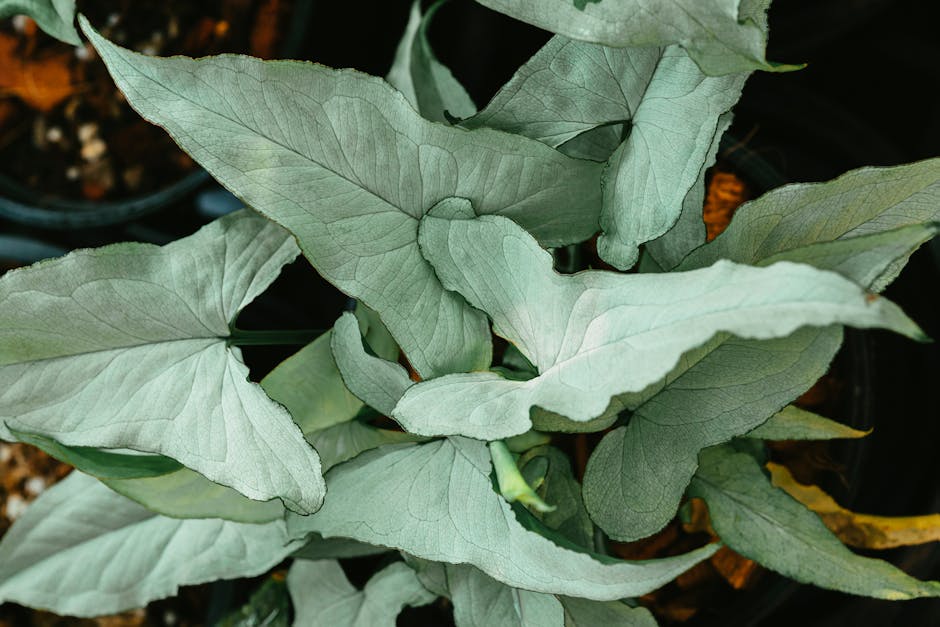
As you embark on the journey of nurturing a Syngonium, it’s essential to understand its characteristics and preferences. This remarkable plant is renowned for its ability to adapt to different conditions, making it a popular choice for indoor spaces. One of the most intriguing features of the Syngonium is its changing leaf shapes; as the plant matures, its leaves transition from the juvenile arrowhead form to a more mature, lobed appearance. By learning about its specific care requirements, including light preferences, watering habits, and propagation techniques, you will be well-equipped to cultivate a thriving Arrowhead Plant that can flourish in your home.
In this complete Syngonium care guide, you’ll discover comprehensive insights into keeping your plant healthy and happy. From understanding its light requirements to managing humidity levels and common issues, we will cover everything you need to know about nurturing this adaptable climbing plant. So, let’s dive in and get to know your Syngonium a little better.
Getting to Know Your Plant
The Syngonium is a member of the Araceae family and is native to the tropical regions of Central and South America. Its charming leaves, often variegated with shades of green, cream, and pink, add a splash of color to any room, making it a favorite among houseplant aficionados. The plant’s scientific name is Syngonium podophyllum, and it has earned its nickname due to the distinct arrow shape of its juvenile leaves. As the plant grows, it develops a more complex leaf structure, with mature leaves featuring deep lobes that can have three to five segments. This natural transformation is a captivating aspect of the Syngonium’s life cycle, reflecting its adaptability and growth.
Syngonium plants are not only visually appealing but also relatively easy to care for, which makes them an excellent choice for beginners. They thrive in a variety of conditions, but understanding their specific needs will help you create an environment that promotes vigorous growth. The Arrowhead Plant can be grown as a trailing or climbing plant, depending on how you choose to provide support. With proper care, your Syngonium can become a lush focal point in your home or office, bringing a touch of the tropics indoors.
Light Requirements
When it comes to light, the Syngonium has specific preferences that significantly influence its health and appearance. Ideally, this plant thrives in bright, indirect light. Such conditions mimic its natural habitat, where it often grows under the canopy of larger trees, receiving filtered sunlight. Placing your Syngonium near a window that offers bright, indirect light is the perfect way to ensure it receives the illumination it craves. However, be cautious—exposure to direct sunlight can scorch the delicate leaves, causing unsightly brown spots and wilting.
While Syngonium can tolerate lower light conditions, this adaptability comes at a cost. In dim environments, the plant may lose its vibrant variegation, resulting in dull green foliage. If you notice your plant stretching towards the light or becoming leggy, it’s a sign that it craves more brightness. On the other hand, if you can’t provide bright indirect light, consider rotating the plant periodically to ensure all sides receive adequate light. This rotation helps maintain a balanced growth pattern and enhances its overall appearance.
Watering Guidelines
Understanding the watering needs of your Syngonium is crucial to its overall health and vitality. This plant prefers to be watered when the top inch of its soil is dry, allowing for a balance between moisture and aeration. Overwatering is one of the most common pitfalls for indoor plants, and the Syngonium is no exception. If the roots sit in soggy soil for too long, it can lead to root rot, which can be detrimental to the plant’s health. To avoid this, always check the moisture level in the soil before watering.
When you do water, ensure that you provide enough so that it drains out the bottom of the pot. This drainage is essential for preventing water accumulation, which can lead to root issues. During the growing season, typically spring and summer, your Syngonium may require more frequent watering as it actively develops new growth. Conversely, in the winter months, the plant’s growth slows, and you might find that it needs watering less often. Always pay attention to the plant’s cues, as they will often indicate when they need a drink.
Soil and Potting Requirements
Choosing the right soil for your Syngonium is vital to its success. A well-draining, aroid-appropriate mix is ideal, as it allows excess water to escape while retaining some moisture for the roots. You can create your own mix by combining potting soil with perlite or orchid bark, which enhances drainage and aeration. This combination supports healthy root development while preventing the dreaded root rot that can occur in denser soils.
When selecting a pot for your Syngonium, consider one that has drainage holes to facilitate excess water removal. A pot that is too large can retain excess moisture, while a pot that is too small may restrict root growth. Repotting is generally recommended every couple of years or when the plant becomes root-bound. This process will not only allow for fresh soil but also give you an opportunity to assess the health of the roots and trim any that may be damaged. Remember, the right soil and potting conditions are critical to keeping your Syngonium thriving.
Temperature and Humidity
Temperature and humidity play significant roles in the overall health of your Syngonium. This tropical plant flourishes in temperatures ranging from 65 to 80°F (18 to 27°C). Extreme fluctuations in temperature can stress your plant, leading to sluggish growth or even damage. It’s best to keep your Syngonium away from drafts, heaters, or air conditioning vents that can cause sudden temperature changes.
Humidity is another critical factor to consider. Syngonium prefers a humidity level of around 40 to 50%, which mimics its native tropical environment. If your home tends to be dry, especially during winter months, consider increasing humidity around your plant. You can achieve this through methods such as placing a humidifier nearby, grouping plants together to create a microclimate, or using a pebble tray filled with water beneath the pot. The added humidity will keep your Syngonium’s leaves lush and vibrant, preventing issues such as browning leaf tips.
Fertilizing Schedule
To promote healthy growth and vibrant foliage, a regular fertilizing schedule is essential for your Syngonium. During the growing season, which typically spans from spring through summer, it’s beneficial to fertilize your plant monthly with a balanced liquid fertilizer diluted to half strength. This practice will provide the necessary nutrients to support new growth and maintain the plant’s overall health. Be cautious during the winter months, as the plant’s growth tends to slow down, and you may not need to fertilize at all during this time.
When applying fertilizer, ensure that the soil is damp to prevent any potential root burn. Always follow the instructions on the fertilizer packaging and observe your plant for signs of over-fertilization, such as yellowing leaves or stunted growth. Adjusting your fertilization routine based on your plant’s response will help you keep your Syngonium thriving and full of life.
Propagation Methods
One of the most rewarding aspects of caring for a Syngonium is the ability to propagate it easily. If you want to expand your collection or share this beautiful plant with friends, propagation can be done through stem cuttings. To begin the process, select a healthy stem with at least one node—this is where roots will emerge. Using clean, sharp scissors or pruning shears, take a cutting that is around 4 to 6 inches long.
Once you have your cutting, you can propagate it in either water or soil. If you choose to propagate in water, place the cutting in a container, ensuring that the node is submerged while the leaves remain above the waterline. Change the water every few days to keep it fresh. In about 2 to 3 weeks, you should start to see roots developing. Alternatively, you can plant the cutting directly into a well-draining soil mix, keeping the soil moist until you see new growth. Whichever method you choose, propagation offers an exciting opportunity to witness the growth of new Syngonium plants.
Common Problems and Solutions
Despite its reputation as an easy-care plant, the Syngonium can encounter a few common issues. One frequent problem is yellowing leaves, which can indicate several issues, including overwatering, nutrient deficiency, or insufficient light. If you notice yellowing, assess your watering routine and light conditions to ensure they align with the plant’s needs. Adjusting these factors can often resolve the issue.
Another concern is pests, which can occasionally invade your Syngonium. Common pests include spider mites, aphids, and mealybugs. Regularly inspecting your plant for signs of pest infestations is crucial. If you spot any unwelcome guests, you can treat them with insecticidal soap or neem oil, ensuring you thoroughly cover all affected areas. Keeping your plant clean and well-maintained will help prevent pest problems before they arise.
Seasonal Care Adjustments
As the seasons change, so too will the care requirements for your Syngonium. During the spring and summer months, when the plant is actively growing, you may find it requires more frequent watering and fertilization. This is also the time to assess its growth habit; if your Syngonium is becoming leggy, consider pruning it back to encourage bushier growth.
As autumn approaches and temperatures begin to drop, you may need to adjust your watering schedule. With reduced light and cooler temperatures, the plant’s growth will slow down, often leading to a decrease in water needs. During winter, maintaining humidity becomes even more critical, especially in heated indoor environments. Implementing strategies to boost humidity will help your Syngonium remain healthy during these colder months.
Adapting your care routine to the changing seasons will not only enhance your Syngonium’s resilience but also enrich your experience as a plant caretaker. With a little attention and care, your Arrowhead Plant can thrive and bring beauty to your space throughout the year.
With this comprehensive guide, you’re well-equipped to cultivate and enjoy your Syngonium. By understanding its unique needs and characteristics, you can create an environment where this beautiful plant flourishes, showcasing its stunning foliage and adaptability. Whether you’re a seasoned plant enthusiast or just beginning your plant journey, the Syngonium is sure to be a rewarding addition to your collection. So roll up your sleeves, embrace the joy of plant care, and watch your Arrowhead Plant thrive!
Safety Note: Syngonium contains compounds that are toxic to cats, dogs, and humans if ingested. Keep plants out of reach of curious pets and small children. Contact a veterinarian or poison control center if ingestion occurs.
Frequently Asked Questions
Why do my Syngonium leaves change shape? ▼
This is natural! Young Syngonium has arrow-shaped leaves, but as it matures and climbs, leaves become deeply lobed with 3-5 segments.
How do I keep my Syngonium compact? ▼
Regular pruning and avoiding climbing support will keep Syngonium in its juvenile, arrow-leaf form. Pinch growing tips to encourage bushiness.
How do I propagate Syngonium? ▼
Cut stem sections with nodes and propagate in water or soil. Roots develop quickly, usually within 2-3 weeks.
Is Syngonium safe for pets? ▼
No, Syngonium is toxic to cats and dogs if ingested. Keep out of reach of pets and children.
How much light does Syngonium need? ▼
Bright, indirect light is ideal. Can tolerate lower light but may lose variegation. Avoid direct sunlight which can scorch leaves.
Explore Related Topics
Was this guide helpful?
Your input helps us improve our guides.
How can we improve this guide?
Similar Plants You Might Like

Aglaonema Silver Bay Care Guide: Complete Instructions for Chinese Evergreen Beauty
Learn how to care for Aglaonema Silver Bay with our comprehensive guide covering light, watering, humidity, and maintaining stunning silver variegation in this easy-care houseplant.
Easy
Aloe Vera Care Guide: Complete Instructions for Aloe Barbadensis Miller
Learn how to care for Aloe Vera plants with our comprehensive guide covering light, watering, harvesting gel, and propagating pups for healthy growth.
Easy
Begonia Care Guide: Complete Instructions for All Types
Learn comprehensive Begonia care including different types, flowering tips, humidity requirements, and propagation for these colorful flowering houseplants.
Moderate