
String of Pearls Care Guide: Complete Senecio rowleyanus Instructions
Learn how to care for String of Pearls (Senecio rowleyanus) with our detailed guide covering watering, light, propagation, and common problems.
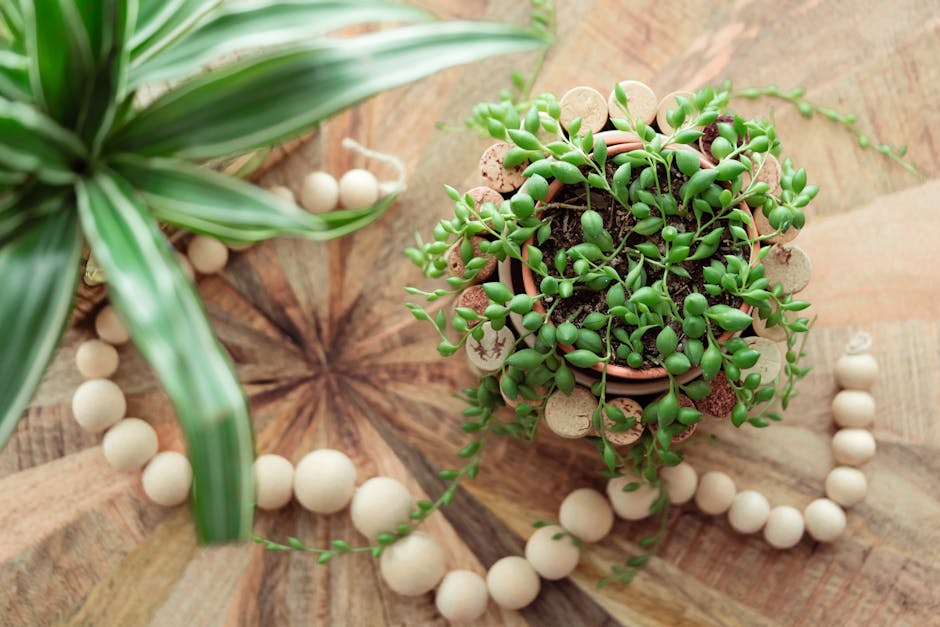
Quick Care Guide
Bright, indirect light
Water when soil is dry
Low humidity preferred
65-75°F (18-24°C)
Well-draining succulent mix
Monthly in growing season
Keep away from cats, dogs, and children
Caring for houseplants can be a rewarding experience, especially when you choose resilient species like the String of Pearls (Senecio rowleyanus). Known for its distinctive, bead-like leaves that cascade elegantly from pots, this succulent is not only visually appealing but also remarkably easy to care for. Whether you’re a novice or a seasoned plant parent, understanding how to nurture this delightful trailing plant can enhance your indoor garden and bring a touch of green to your home.
The allure of the String of Pearls lies not just in its beauty but also in its adaptability. With the right conditions, this succulent can thrive, creating a stunning display that can brighten any space. In this comprehensive care guide, we will explore every aspect of nurturing your String of Pearls, from light and watering needs to propagation methods and common issues you may encounter. By the end of this guide, you’ll feel confident in your ability to cultivate this unique plant, ensuring its longevity and vibrancy.
Now, let’s delve into the specifics of caring for your String of Pearls, starting with an introduction to this captivating plant.
Getting to Know Your Plant
String of Pearls, scientifically known as Senecio rowleyanus, is a member of the Asteraceae family and is native to the dry regions of South Africa. Its distinctive, round leaves resemble small beads strung along delicate stems, giving it the charming appearance for which it is named. This succulent has become increasingly popular among houseplant enthusiasts due to its low maintenance needs and striking aesthetic, making it an ideal choice for both beginners and experienced gardeners alike.
In nature, String of Pearls grows in a trailing manner, often cascading down rocky cliffs or hanging from trees. This natural growth pattern makes it an excellent candidate for hanging planters or high shelves, where its trailing vines can thrive. When provided with proper care, a healthy String of Pearls can grow several feet in length, creating a breathtaking display of verdant pearls that can captivate any observer.
Understanding the plant’s natural habitat is crucial for replicating the right conditions in your home. String of Pearls thrives in bright, indirect light and prefers to be on the drier side when it comes to watering. This unique combination of factors contributes to its appeal as a succulent and allows it to flourish even in less-than-ideal indoor environments.
Light Requirements
One of the key factors in ensuring the health of your String of Pearls is providing it with the appropriate light. This succulent thrives best in bright, indirect sunlight. Ideally, you should place your plant near a window that receives ample light but is filtered through sheer curtains or blinds. Direct sunlight can scorch the delicate leaves, causing them to turn brown or shrivel, while too little light can lead to leggy growth as the plant stretches towards the light source.
A south-facing window is often an excellent choice for this plant, but east or west-facing windows can work just as well, provided the light is bright but indirect. If you notice your String of Pearls reaching for the light or losing its vibrant color, it may be an indication that it needs a brighter location. Conversely, if the leaves are turning yellow or brown, it might be time to move your plant to a less intense light environment.
During the winter months, when daylight is shorter, it’s important to monitor your String of Pearls’ light exposure. If necessary, consider using grow lights to supplement its light needs, ensuring that it receives enough energy to continue thriving. By providing the right light conditions, you can help your String of Pearls flourish and maintain its stunning appearance throughout the year.
Watering Guidelines
Watering is often one of the most critical aspects of plant care, and for the String of Pearls, it is essential to strike the right balance. As a succulent, this plant is highly drought-tolerant and prefers to dry out between waterings. The general rule is to water your String of Pearls when the soil is completely dry, which typically occurs every 7 to 14 days during the summer months. In the winter, the watering frequency will decrease, as the plant enters a dormancy phase and requires less moisture.
To determine if it’s time to water, you can stick your finger into the soil about an inch deep. If the soil feels dry to the touch, it’s time to give your plant a drink. When watering, it’s crucial to do so thoroughly. Allow water to flow out of the drainage holes at the bottom of the pot, ensuring that the entire root system receives adequate moisture. However, take care not to let your plant sit in water, as this can lead to root rot, a common issue with succulents.
If you notice your String of Pearls starting to shrivel, it may be a sign of underwatering. In such cases, water the plant thoroughly and ensure it has proper drainage. On the other hand, if the leaves appear mushy or yellow, it could indicate overwatering, and you may need to adjust your watering routine. By carefully monitoring your plant’s needs, you can maintain its health and vibrant appearance.
Soil and Potting Requirements
Choosing the right soil is vital for the well-being of your String of Pearls. This succulent thrives in well-draining soil, which prevents excess moisture from accumulating around the roots. A commercial succulent or cactus mix works well, as it typically contains a blend of sand, perlite, and peat, ensuring excellent drainage and aeration. Alternatively, you can create your own mix by combining potting soil with sand and perlite in equal parts.
When it comes to potting your String of Pearls, selecting a container with drainage holes is essential. This will allow excess water to escape, reducing the risk of root rot. Terracotta pots are an excellent choice, as they are porous and help wick moisture away from the roots. If you prefer plastic or ceramic pots, ensure they have adequate drainage holes and consider using a layer of gravel or small stones at the bottom to further enhance drainage.
Repotting your String of Pearls should occur every couple of years or when the plant outgrows its container. When repotting, gently remove the plant from its old pot and carefully shake off any excess soil from the roots. Then, place it in a new pot with fresh soil, ensuring that the crown of the plant sits at the same level as it was previously. After repotting, give your String of Pearls a chance to acclimate before resuming your regular watering schedule.
Temperature and Humidity
String of Pearls is quite adaptable when it comes to temperature, thriving in a range of 65 to 75°F (18 to 24°C). This makes it a perfect candidate for indoor environments, as it can easily adjust to typical household temperatures. However, it’s essential to avoid exposing your plant to extreme temperature fluctuations or cold drafts, as this can stress the plant and hinder its growth.
Humidity is another important factor to consider when caring for your String of Pearls. This succulent prefers low humidity levels, which mimic its native arid environment. In most indoor settings, humidity levels are generally ideal for this plant. However, if you’re growing your String of Pearls in a particularly humid environment, such as a bathroom or kitchen, it’s wise to monitor the humidity levels and ensure adequate airflow.
If you live in an area with high humidity or experience a particularly humid season, you can help your String of Pearls thrive by placing it in a well-ventilated area. Avoid clustering your plants together, as this can trap moisture and create an environment conducive to fungal diseases. By paying attention to temperature and humidity, you can create a comfortable atmosphere for your String of Pearls to flourish.
Fertilizing Schedule
While String of Pearls is relatively low-maintenance, providing it with the right nutrients can promote healthy growth and vibrant foliage. During the growing season, typically from spring to early fall, it’s beneficial to fertilize your plant monthly to encourage robust growth. A balanced, water-soluble fertilizer diluted to half strength is an excellent choice for this succulent.
When fertilizing, apply the solution directly to the soil, taking care not to let it come into contact with the leaves, as this can cause burning. During the winter months, when your String of Pearls enters dormancy, it’s best to refrain from fertilizing. The plant’s growth will slow down, and it won’t require the same level of nutrients as during the active growing season.
If you notice your String of Pearls becoming leggy or losing its vibrant color, it may be a sign that it requires additional nutrients. However, be cautious not to over-fertilize, as this can lead to salt buildup in the soil, which can harm your plant. Regularly flushing the soil with water during the growing season can help prevent salt accumulation and keep your String of Pearls healthy.
Propagation Methods
One of the most rewarding aspects of caring for a String of Pearls is the ease with which it can be propagated. Whether you wish to expand your collection or share the joy of this stunning succulent with friends, there are several methods to propagate your String of Pearls successfully. The most common technique is through stem cuttings.
To propagate through cuttings, gently snip a healthy strand of your String of Pearls, ensuring it has several “pearls” on it. Allow the cutting to dry and callous over for a few days before placing it in well-draining soil. This will help prevent rot. Once the cutting is established in its new pot, water it thoroughly and place it in bright, indirect light. In a few weeks, you should see new growth emerging, indicating that the propagation was successful.
Another fun method to make your String of Pearls fuller is to coil the strands back on top of the soil. This technique encourages new root points to develop along the trailing stems, creating a lush, fuller appearance. By gently tucking the strands into the soil, you can stimulate growth and enhance the overall look of your plant.
Regardless of the propagation method you choose, patience is key. It may take some time for new roots and growth to establish, but the rewards of expanding your collection or creating a fuller display are well worth the wait.
Common Problems and Solutions
As with any plant, String of Pearls may encounter a few common issues that can affect its health. One of the most prevalent problems is underwatering, which can cause the leaves to shrivel and lose their plump appearance. If you notice this happening, it’s essential to adjust your watering routine, ensuring that you allow the soil to dry out completely before watering again. When you do water, be sure to do so thoroughly, ensuring that the entire root system receives adequate moisture.
Conversely, overwatering can lead to root rot, a serious issue that can jeopardize your plant’s health. Signs of overwatering include yellowing leaves and a mushy texture. If you suspect your plant is suffering from root rot, carefully remove it from its pot and inspect the roots. Trim away any blackened or mushy sections, and repot the plant in fresh, dry soil. Going forward, adjust your watering habits to ensure that the soil dries out between waterings.
Pests can also pose a threat to your String of Pearls. Common culprits include mealybugs and spider mites, which can weaken your plant and cause stress. Regularly inspecting your plant for signs of pests is vital. If you notice any unwanted visitors, treat your plant with insecticidal soap or neem oil, following the product instructions carefully. Maintaining good airflow around your plant and keeping it clean can go a long way in preventing pest infestations.
Seasonal Care Adjustments
As the seasons change, so too do the care requirements for your String of Pearls. During the spring and summer months, when the plant is actively growing, it’s essential to provide consistent care, including bright light, regular watering, and monthly fertilization. This is the time when your String of Pearls will thrive, producing new growth and elongating its strands.
As autumn approaches and temperatures begin to drop, it’s wise to gradually reduce watering frequency, allowing the plant to prepare for dormancy. You may also want to cease fertilization during this time, giving the plant a break as it conserves its energy. Monitoring light exposure is also crucial during the fall and winter months, as shorter days may necessitate the use of grow lights to ensure adequate light levels.
In the winter, String of Pearls will require even less water than during the warmer months. It’s important to keep the plant in a stable environment, away from cold drafts or heat sources that could cause fluctuations in temperature. By adjusting your care routine to align with the changing seasons, you can help your String of Pearls thrive year-round.
In conclusion, caring for a String of Pearls can be an enriching experience that brings joy and beauty to your home. By understanding its specific needs regarding light, water, soil, temperature, and more, you can cultivate a thriving plant that not only enhances your indoor space but also stands as a testament to your gardening skills. With patience and care, your String of Pearls can flourish, bringing a touch of nature indoors and reminding you of the beauty of a well-tended garden.
Safety Note: String of Pearls contains compounds that are toxic to cats, dogs, and humans if ingested. Keep plants out of reach of curious pets and small children. Contact a veterinarian or poison control center if ingestion occurs.
Frequently Asked Questions
How often should I water String of Pearls? ▼
Water when soil is completely dry, typically every 7-14 days in summer and less frequently in winter. String of Pearls is very drought-tolerant.
Why are my String of Pearls shriveling? ▼
Shriveling pearls usually indicate underwatering. Water thoroughly when soil is dry, but ensure good drainage to prevent root rot.
How do I make my String of Pearls fuller? ▼
Coil the strands back on top of the soil to create new root points, or propagate cuttings and replant them in the same pot.
Is String of Pearls toxic to pets? ▼
Yes, String of Pearls is toxic to cats and dogs if ingested. Keep out of reach of pets and children.
How fast does String of Pearls grow? ▼
String of Pearls grows moderately fast, adding several inches of strand length per growing season under proper conditions.
Was this guide helpful?
Your input helps us improve our guides.
How can we improve this guide?
Similar Plants You Might Like

Aglaonema Silver Bay Care Guide: Complete Instructions for Chinese Evergreen Beauty
Learn how to care for Aglaonema Silver Bay with our comprehensive guide covering light, watering, humidity, and maintaining stunning silver variegation in this easy-care houseplant.
Easy
Aloe Vera Care Guide: Complete Instructions for Aloe Barbadensis Miller
Learn how to care for Aloe Vera plants with our comprehensive guide covering light, watering, harvesting gel, and propagating pups for healthy growth.
Easy
Bird of Paradise Care Guide: Complete Growing Instructions for Strelitzia
Learn how to care for Bird of Paradise (Strelitzia) with our comprehensive guide covering light, watering, humidity, pruning, and troubleshooting for stunning tropical growth.
Moderate