
Spring Plant Care Guide: Preparing Your Houseplants for Growing Season
Learn essential spring care tips for houseplants including when to resume fertilizing, repotting guidelines, pest prevention, and transitioning plants outdoors.
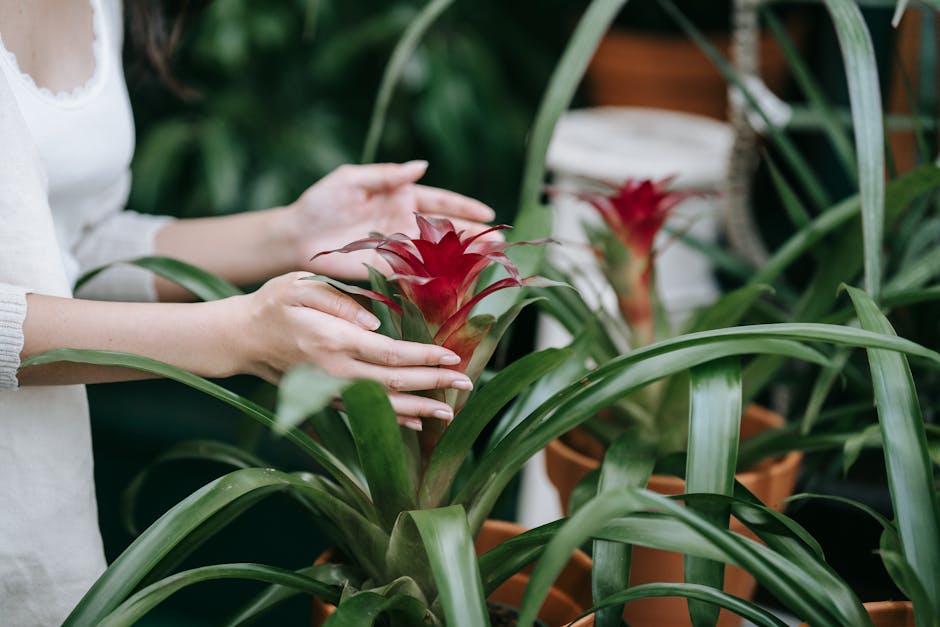
As the chill of winter fades and the days grow longer, the arrival of spring brings a sense of renewal not only to the outdoors but also to our cherished houseplants. For plant enthusiasts, this season signals a critical time to assess the health and vitality of our leafy companions. With the sun’s warm embrace, the growing season begins anew, inviting us to engage in the essential practices of plant care that ensure our indoor gardens thrive.
Now is the perfect moment to transition your houseplants from their winter dormancy into vibrant, flourishing life. From understanding when to resume fertilizing to recognizing the right time for repotting, this comprehensive spring plant care guide will equip you with the knowledge you need to nurture your houseplants through their most active time of the year. Let’s delve into the specifics of preparing your beloved greenery for the invigorating growing season ahead.
Understanding the Problem
As spring approaches, many plant owners find themselves grappling with questions about how to best care for their houseplants. The darkness of winter has likely stunted growth, leading to concerns about whether plants are healthy and ready for the new season. With the inclination to enhance their environment, one might wonder: when is the best time to start fertilizing? How do I know if my plants need repotting? And what about the potential pests that may have taken refuge during the colder months?
Understanding these aspects of plant care is pivotal. Many houseplants thrive in spring as they prepare to enter their most vigorous growth phase. During this time, the sun’s increased intensity and the accompanying rise in temperatures signal to plants that it’s time to awaken from their slumber. However, without proper care, the transition can be challenging. This guide will unravel the steps necessary to ensure your plants are not only ready for growth but also resilient against common springtime challenges.
Identifying the Signs
As you embark on your spring plant care journey, it’s essential to be attuned to the signals your plants emit. These signs will help you determine their readiness for the growing season and highlight any immediate care needs. One of the first indicators that your plants are awakening is the emergence of new growth, often seen as fresh leaves or shoots. This typically occurs around March or April, depending on your specific climate and indoor environment. It’s during this time that you should consider resuming fertilization.
Equally important is recognizing when a plant may need repotting. A plant that has outgrown its container will exhibit specific signs: you may notice roots peeking through the drainage holes or even circling the bottom of the pot. Additionally, if you find that water runs straight through the soil without proper absorption, it’s a clear indication that your plant is root-bound and would benefit from a larger pot. Spring is universally regarded as the ideal time for repotting, as it allows the plant to establish itself in its new environment just as the growing season begins.
Common Causes
Understanding the common causes of plant distress in spring can help you preemptively address any issues. As temperatures rise and daylight increases, plants often experience stress if they are not acclimated properly. Rapid environmental changes, such as moving plants outdoors too quickly or exposing them to drafts, can lead to leaf drop or other signs of distress. This is particularly common for those who are eager to enjoy their plants outside, but patience is key.
Another frequent issue during the spring season is the resurgence of pests. Warmer temperatures can awaken dormant insects that may have taken refuge in your home during the colder months. Aphids, spider mites, and mealybugs are just a few of the pests that may reappear, potentially wreaking havoc on your plants if not addressed promptly. Awareness of these common causes will empower you to take proactive measures to protect your houseplants.
How to Fix It
Addressing the needs of your houseplants in spring involves a few specific actions. When it comes to fertilization, begin applying a half-strength fertilizer as soon as you notice fresh growth. This gentle boost will help your plants regain strength and vitality. As they continue to grow, you can gradually move to a full-strength formula, ensuring you are using a balanced fertilizer suitable for your specific plants.
For those plants in need of repotting, choose a pot that is one size larger and fill it with fresh, well-draining potting soil. Gently remove the plant from its old container, taking care not to damage the roots, and place it in its new home. Water thoroughly after repotting to help settle the soil and eliminate any air pockets.
As for pest management, regularly inspect your plants for signs of infestation. Early detection is crucial, as it allows you to act swiftly before the problem escalates. If you spot any pests, consider using organic insecticidal soap or neem oil, which are effective yet gentle options for treating infestations without harming your plants.
If your plants experience leaf drop, remember that some shedding can be normal as they transition into their active growth phase. However, if drooping appears excessive or is accompanied by other distress signals, evaluate their environment. Ensure they are not in direct drafts and maintain a consistent watering schedule, avoiding both over- and under-watering.
Prevention Tips
To ensure a smooth transition into spring for your houseplants, adopt preventive strategies that will help mitigate potential issues. First and foremost, keep a close eye on environmental conditions. Gradually acclimatize your plants to the outdoors by taking them outside for a few hours each day, progressively increasing their exposure over one to two weeks. This practice helps them adjust to the brighter light and varying temperatures without experiencing shock.
Moreover, continue monitoring humidity levels, as many houseplants thrive in higher humidity. Consider misting your plants or placing trays of water nearby to boost moisture levels in the air. This is particularly crucial for tropical varieties that may struggle with the drier indoor air common in spring.
Regularly clean your plants’ leaves to remove dust and debris, allowing for optimal photosynthesis. A damp cloth or sponge can be used to gently wipe down leaves, improving their overall health and appearance.
Lastly, keep your gardening tools clean and sanitized to prevent the spread of diseases. This simple habit can save you from potential headaches down the road.
When to Get Help
While many common plant care issues can be managed at home, there may be times when seeking professional help is the best course of action. If you’ve diligently followed care practices yet notice persistent signs of distress—such as wilting, discoloration, or rapid leaf drop—it may be time to consult a local horticulturist or a knowledgeable staff member at your local garden center.
Additionally, if you encounter a severe pest infestation that seems resilient to your efforts, consider enlisting the help of a professional pest control service that specializes in plants. They can provide advice tailored to your specific situation and ensure your indoor garden remains healthy and vibrant.
As you embark on this spring plant care journey, remember that nurturing your houseplants is a labor of love. By understanding their needs and preparing them for the growing season, you’ll foster a flourishing indoor garden that not only enhances your living space but also brings joy and vitality into your home. Embrace the beauty of spring, and let your houseplants shine.
Safety Note: Always research the toxicity of plants before bringing them into homes with pets or small children.
Frequently Asked Questions
When should I start fertilizing my houseplants in spring? ▼
Begin fertilizing when you see new growth emerging, typically March-April. Start with half-strength fertilizer and gradually increase to full strength.
How do I know if my plant needs repotting in spring? ▼
Look for roots growing through drainage holes, circling the pot bottom, or if water runs straight through without absorption. Spring is the ideal repotting time.
When can I move my houseplants outside for spring? ▼
Wait until nighttime temperatures consistently stay above 50°F and all danger of frost has passed. Gradually acclimate plants over 1-2 weeks.
Why is my plant dropping leaves in spring? ▼
Spring leaf drop can be normal as plants shed old growth to make room for new. However, sudden environmental changes can also cause stress-related dropping.
Should I prune my plants in spring? ▼
Yes, spring is the ideal time for pruning. Remove dead, damaged, or leggy growth before the active growing season begins.