
Repotting Problems Guide: Solving Common Repotting Issues and Plant Shock
Learn to identify and solve repotting problems including transplant shock, root damage, timing issues, and post-repotting care for healthy plant recovery.
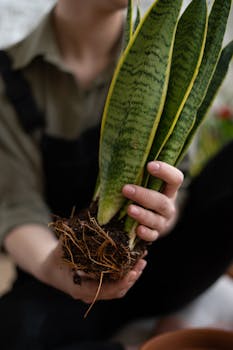
Repotting is a vital part of plant care that ensures our green companions thrive and flourish. Whether you’re a seasoned plant parent or just starting out, the task of repotting can sometimes feel daunting. It’s not just about transferring a plant from one pot to another; it involves understanding the needs of your plant, the right timing, and the nuances of soil and pot size. Unfortunately, even with the best intentions, repotting can lead to a host of problems, including transplant shock and root damage, which can leave both plants and their caretakers feeling anxious.
As we embark on this exploration of common repotting issues, we’ll unravel the complexities of transplant shock, identify the signs that your plant might be struggling, and provide you with practical solutions for recovery and care. This guide aims to empower you with knowledge and confidence, so you can ensure your plants not only survive the repotting process but also thrive in their new environments.
Understanding the intricacies of repotting is essential, for it allows us to tend to our plants with a deeper understanding of their needs. In this comprehensive guide, we’ll delve into the various repotting problems you may encounter, equipping you with the tools to handle any situation with grace and care.
Understanding the Problem
Repotting can often feel like a double-edged sword. On one hand, it provides your plants with fresh soil, more room for growth, and an opportunity to address root health. On the other hand, it can also disrupt the delicate balance your plant has established within its current pot. The act of uprooting a plant, no matter how gentle, can lead to stress and shock. Transplant shock occurs when a plant struggles to acclimate to its new environment, which can manifest in various distress signals.
Avoiding common pitfalls during the repotting process is crucial. For instance, choosing the wrong time to repot can exacerbate issues, especially if your plant is already stressed or in bloom. Additionally, failing to select an appropriately sized pot can lead to complications, such as overwatering or inadequate growth. Recognizing these challenges is the first step in ensuring a seamless transition for your plant.
As we dive deeper into the nuances of repotting, we will explore how to identify the signs of distress, the common causes behind these issues, and the steps you can take to foster a healthy recovery. With the right knowledge, you can approach repotting with confidence and care.
Identifying the Signs
The initial signs that your plant may be experiencing transplant shock can be subtle, but with careful observation, they become more apparent. One of the primary indicators is wilting, where the leaves lose their firmness and droop. This can signify that the plant is struggling to take up water in its new environment. Yellowing leaves often follow, a telltale sign of distress, indicating that the plant may not be assimilating nutrients effectively. Leaf drop is another common symptom that can occur, where the plant sheds leaves in an attempt to conserve energy.
Stunted growth can also be a frustrating outcome of repotting. Instead of the expected burst of new growth, you might notice that your plant seems to be in a holding pattern, with little to no signs of development. These distress signals can leave you feeling concerned, but understanding their origin can help you take effective measures to restore your plant’s health. Recovery from transplant shock typically takes between two to six weeks, depending on the species and the care provided during this critical period.
Common Causes
Several factors contribute to the challenges encountered during repotting. Timing is crucial; repotting during a plant’s dormant period or while it is in bloom can increase the risk of shock. Ideally, early spring, between March and May, is the best time to repot houseplants, as this corresponds with their active growth phase. Attempting to repot a flowering plant can lead to flower and bud drop, as the plant diverts energy to recover from the shock rather than sustaining its blooms.
Another common cause of transplant shock is root damage. When a plant is removed from its pot, the roots can be inadvertently torn or broken. This not only hampers the plant’s ability to absorb water and nutrients but can also leave it vulnerable to diseases. Furthermore, the size of the new pot matters greatly; selecting a pot that is too large can create an environment where the soil retains excessive moisture, leading to root rot and stunted growth. Ideally, a new pot should be one to two inches larger in diameter than the previous one, providing just enough space for growth without overwhelming the plant.
Soil quality also plays a significant role in the health of your plant post-repotting. Using the wrong type of soil, or reusing old soil without proper treatment, can introduce pests and diseases that further complicate the recovery process.
How to Fix It
If your plant begins to show signs of transplant shock or other repotting-related issues, there are several strategies to help it recover. First and foremost, ensure that your plant is receiving the right care. This includes providing adequate water without overwatering. The soil should be kept moist but not soggy. A good rule of thumb is to check the top inch of soil; if it feels dry, it’s time to water. Be careful to water gently, allowing the moisture to soak in rather than flooding the plant.
Creating a stable environment is also essential. Keep your newly repotted plant in a location with indirect sunlight, as direct sunlight can exacerbate stress and lead to further leaf drop or wilting. Monitoring the temperature is equally important, as drastic changes can negatively impact recovery.
Fertilizing can be a tricky subject post-repotting. It’s often best to wait a few weeks before introducing any fertilizers, as the roots need time to adjust to their new home. If you choose to fertilize, opt for a diluted, balanced fertilizer to avoid overwhelming the plant.
Additionally, consider the use of a humidity tray or misting to provide extra moisture in the air around your plant, especially if it’s a species that thrives in higher humidity conditions.
Lastly, patience is key. Recovery from transplant shock can take time, and it’s essential to allow your plant the opportunity to bounce back. With proper care and a little love, your plant should find its footing again.
Prevention Tips
Preventing repotting issues from occurring in the first place can save you a great deal of anxiety and effort. As mentioned earlier, timing is crucial; always aim to repot during the active growth phase of your plant. Observing your plant’s growth patterns can help you determine when it’s time for a new pot. You’ll want to look for signs of root-bound conditions, such as roots emerging from drainage holes or a plant that appears to be outgrowing its pot.
Choosing the right pot size is another vital preventive measure. Select a pot that is just one to two inches larger than the previous one to encourage healthy growth without overwhelming the roots.
Pay close attention to the soil mix you use when repotting. Opt for a high-quality potting mix that suits your plant’s needs. For example, cacti and succulents require a well-draining mix, while tropical plants thrive in a more moisture-retentive soil.
Moreover, when removing the plant from its pot, be gentle. Loosening the root ball without causing damage can make all the difference in your plant’s ability to adapt to its new environment. If roots are tightly wound, it’s beneficial to gently tease them apart or trim any that are excessively entangled.
When to Get Help
Despite your best efforts, there may be times when your plant refuses to recover, or the symptoms of shock persist longer than expected. In such cases, seeking help from a professional can provide valuable insights. Local plant nurseries or horticulture centers often have knowledgeable staff who can assess your plant’s condition and offer tailored advice. Additionally, online plant communities and forums can be a treasure trove of information, where fellow plant lovers share their experiences and solutions.
If your plant exhibits severe symptoms, such as extensive leaf drop, persistent wilting despite adequate care, or signs of rot, it may indicate a deeper underlying issue. In such cases, you may want to consult a horticulturist or a professional plant care service for an assessment.
In conclusion, repotting can be a transformative experience for both plants and their caretakers. By understanding the potential problems and employing effective strategies for care and prevention, you can ensure a smooth transition for your beloved greenery. Remember, patience and observation are your best allies in nurturing healthy, vibrant plants that thrive in their new homes.
Safety Note: Always research the toxicity of plants before bringing them into homes with pets or small children.
Frequently Asked Questions
How do I know if my plant is experiencing transplant shock? ▼
Signs include wilting, yellowing leaves, leaf drop, stunted growth, and general decline after repotting. Recovery typically takes 2-6 weeks with proper care.
When is the best time to repot my houseplants? ▼
Early spring (March-May) is ideal when plants are entering active growth. Avoid repotting during dormancy, flowering, or stress periods.
How much bigger should the new pot be? ▼
Choose a pot 1-2 inches larger in diameter than the current pot. Going too large can cause overwatering problems and slow growth.
Can I repot a plant that's currently flowering? ▼
It's best to wait until after flowering ends. Repotting during bloom can cause flower and bud drop due to transplant stress.
How long does it take for a plant to recover from repotting? ▼
Most plants recover within 2-4 weeks, though some sensitive species may take 6-8 weeks. Fast-growing plants often recover in 1-2 weeks.