
Plant Fertilizer Guide: Complete Houseplant Nutrition Instructions
Learn everything about fertilizing houseplants including types of fertilizers, feeding schedules, signs of deficiency, and troubleshooting fertilizer problems.
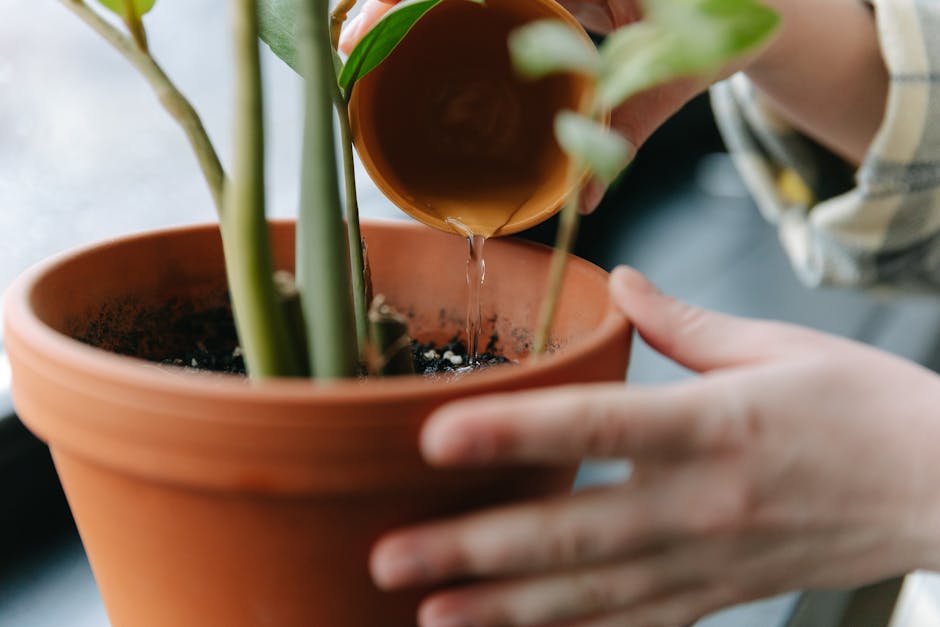
Houseplants have become a beloved addition to our homes, lending life and vibrancy to indoor spaces. While their aesthetic appeal is undeniable, the secret to thriving houseplants lies in understanding their nutritional needs. Just like us, plants require a balanced diet to flourish, and that’s where fertilizers come into play. As a plant parent, ensuring that your green companions receive the right nutrients is essential for their growth and vitality. This guide will take you through the ins and outs of plant fertilizers, covering everything from types and feeding schedules to recognizing deficiencies and troubleshooting common issues.
A well-fertilized houseplant is not only healthier but also more resilient to pests and diseases. However, the world of fertilizers can be overwhelming, especially with the myriad of products available on the market. This comprehensive guide will provide you with the knowledge you need to make informed decisions about your plants’ nutrition. Whether you are a seasoned gardener or a novice just starting your indoor jungle, understanding how and when to fertilize your houseplants will help you create a thriving environment that enhances the beauty of your home.
As we embark on this journey through the world of plant nutrition, we will explore the essential elements that contribute to a plant’s growth, the signs that indicate your plants may be struggling, and practical solutions to common fertilization challenges. With this knowledge, you’ll be equipped to nurture your green friends with confidence and care.
Understanding the Problem
Fertilizing houseplants is often misunderstood. Many plant owners either under-fertilize out of fear of damaging their plants or over-fertilize, believing that more is better. This misconception can lead to a range of problems that may impede plant growth and vitality. To effectively care for your houseplants, it’s crucial to recognize that they have specific nutritional requirements that change with the seasons. Understanding what your plants need and when they need it will enable you to provide the best care possible.
Fertilizers are essentially food for plants, supplying vital nutrients that may be lacking in the soil. The primary nutrients include nitrogen, phosphorus, and potassium, commonly referred to as N-P-K. Each of these elements plays a unique role in plant health: nitrogen promotes leafy growth, phosphorus supports strong root systems and flowering, and potassium enhances overall plant resilience. By grasping the significance of these nutrients, you will be better prepared to select the right fertilizer and establish a feeding schedule that aligns with your plants’ growth cycles.
Additionally, it’s essential to recognize that indoor plants often require different care than outdoor plants. They are typically kept in limited soil volumes and may not have access to the same nutrient sources found in nature. Thus, regular fertilization becomes vital for maintaining their health and vigor. By understanding the fundamental principles of plant nutrition, you can foster an environment where your houseplants can truly thrive.
Identifying the Signs
Recognizing when your houseplants need fertilizer can sometimes be a challenge, especially when they are not showing obvious signs of distress. However, there are several indicators you can watch for that signal a need for additional nutrients. During the growing season, which typically spans from spring to early fall, you may notice a gradual decline in your plant’s appearance. Signs such as slow growth, pale or yellowing leaves, and poor flowering can be your plant’s way of communicating that it’s not receiving the necessary nutrients.
If your plants are growing smaller leaves or exhibiting a generally lackluster appearance, it may be time to reassess their feeding regimen. These symptoms often manifest as a result of nutrient deficiencies, where the plant is unable to access the essential elements needed for healthy growth. In addition to these visual cues, you may also observe changes in the soil, such as crusting on the surface, which can indicate nutrient buildup or depletion.
It’s important to remember that seasonal changes can affect your plants’ nutritional needs. During their dormant phase in winter, many houseplants require less fertilization, as their growth slows down significantly. Understanding these seasonal cycles will help you fine-tune your fertilization schedule and ensure that your plants receive the right amount of nutrients at the appropriate times.
Common Causes
There are several common causes of nutrient deficiencies in houseplants, each of which can lead to the signs we discussed earlier. One of the primary reasons plants become deficient in nutrients is the type of potting soil used. Some commercial potting mixes are formulated with limited nutrients, which may be quickly depleted as the plant grows. Additionally, if you have repotted your plants without refreshing the soil, they may not have access to the nutrients they need.
Another factor contributing to nutrient deficiencies is the frequency and type of watering. Overwatering can lead to root rot, which impairs the plant’s ability to absorb nutrients. Conversely, underwatering can result in a stressed plant that is unable to take up the nutrients present in the soil. Both scenarios create a cycle of nutrient deficiency that can be challenging to remedy.
Moreover, the natural aging process of the soil can also play a role in nutrient depletion. Over time, essential nutrients may wash away or become unavailable to the plant, particularly in containers where the soil has not been amended. This gradual decline in nutrient availability emphasizes the importance of regular fertilization and monitoring your plants’ health.
How to Fix It
If you’ve established that your houseplants are in need of a nutrient boost, the next step is to implement a fertilization strategy. The first consideration is choosing the right type of fertilizer. There are several options available, including liquid, granular, and slow-release formulations. Liquid fertilizers are often preferred for houseplants because they can be easily diluted and absorbed quickly by the plant. Granular fertilizers, on the other hand, can provide a longer-lasting nutrient source but may take time to break down in the soil.
Once you’ve selected a fertilizer, it’s important to follow the manufacturer’s instructions for application rates and frequency. Generally, most houseplants benefit from fertilization every 2 to 4 weeks during the growing season. You should reduce or eliminate feeding during the winter months when plants are less active. Remember that it’s better to under-fertilize than to over-fertilize. Over-fertilization can lead to root burn and nutrient imbalances that can harm your plants more than the absence of nutrients.
When applying fertilizer, it’s advisable to water your plants beforehand. This practice helps to prevent root burn and ensures that nutrients are evenly distributed in the soil. After fertilization, keep an eye on your plants for signs of improvement. It may take some time for them to respond, so patience is key.
In cases where you suspect soil depletion, consider repotting your plant with fresh potting mix to provide a nutrient-rich environment. This approach can help reset the nutrient levels and give your plant a fresh start.
Prevention Tips
Preventing nutrient deficiencies in your houseplants is an important aspect of plant care that can save you from troubleshooting issues later on. One of the best strategies is to establish a regular fertilization schedule that aligns with your plants’ growth cycles. By committing to a routine, you can help ensure that your plants receive the necessary nutrients at the right times.
Choosing the right potting soil is equally important. Opt for high-quality potting mixes that contain a balanced blend of nutrients. Additionally, consider incorporating organic amendments like compost or worm castings to enhance soil fertility. These natural fertilizers not only provide essential nutrients but also improve soil structure and water retention.
Regularly checking the drainage of your pots is another crucial preventive measure. Ensure that your pots have proper drainage holes, and consider using a well-draining potting mix to prevent waterlogging. This will help maintain healthy root systems and improve nutrient uptake.
Lastly, maintaining an optimal environment for your houseplants is essential. Factors such as light, temperature, and humidity can significantly impact nutrient absorption. Providing the appropriate conditions will help your plants thrive and utilize the nutrients available to them more effectively.
When to Get Help
While many nutrient issues can be resolved with proper care and attention, there may be times when you need to seek professional help. If you’ve tried adjusting your fertilization routine and your plants continue to decline, it may be time to consult with a horticulturist or a local plant nursery expert. They can help diagnose underlying issues that may not be immediately apparent and provide tailored advice for your specific plant species.
Moreover, if you notice persistent symptoms of nutrient deficiency despite proper care, it could indicate a more serious problem, such as root rot or pest infestations. In these cases, professional guidance is invaluable in addressing the root cause and restoring your plants to health.
In conclusion, understanding the nutritional needs of your houseplants is essential for their growth and vitality. By familiarizing yourself with the types of fertilizers available, recognizing the signs of deficiencies, and implementing effective feeding strategies, you can create a thriving indoor garden. With the right knowledge and care, your houseplants will not only survive but thrive, bringing beauty and life to your home for years to come.
Safety Note: Always research the toxicity of plants before bringing them into homes with pets or small children.
Frequently Asked Questions
How often should I fertilize my houseplants? ▼
Most houseplants need fertilizing every 2-4 weeks during the growing season (spring/summer) and little to no fertilizer during winter dormancy.
What's the difference between N-P-K numbers on fertilizer? ▼
N-P-K represents Nitrogen-Phosphorus-Potassium percentages. Nitrogen promotes leafy growth, phosphorus supports roots and flowers, potassium strengthens overall plant health.
Can I use outdoor fertilizer for houseplants? ▼
Outdoor fertilizers are often too strong for houseplants. Use fertilizers specifically formulated for houseplants or dilute outdoor fertilizer to quarter strength.
What are signs my plant needs fertilizer? ▼
Signs include slow growth, pale or yellow leaves, poor flowering, small leaves, and overall lackluster appearance during growing season.
Is it better to under-fertilize or over-fertilize? ▼
It's always better to under-fertilize. Over-fertilizing can burn roots, cause salt buildup, and actually harm plants more than too little fertilizer.