
Brown Spots on Leaves Guide: Identifying and Treating Leaf Spot Diseases and Problems
Learn to identify and treat brown spots on plant leaves with our comprehensive guide covering fungal diseases, bacterial infections, environmental damage, and treatment options.
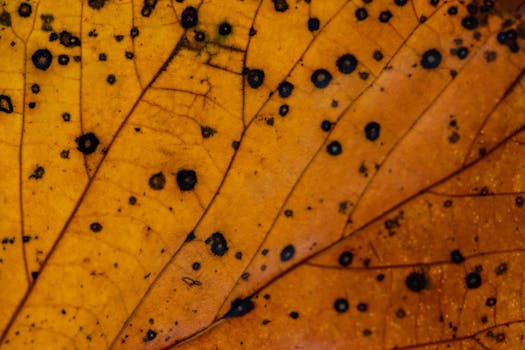
Brown spots on plant leaves can be a gardener’s worst nightmare, signaling distress and potential decline in your beloved greenery. Whether you’re a seasoned horticulturist or a budding plant enthusiast, encountering these unsightly blemishes can be both alarming and discouraging. However, understanding the underlying causes of these brown spots can empower you to take action and restore your plants to their vibrant selves. In this comprehensive guide, we will delve into the intricacies of leaf spot diseases, illuminating the various factors that contribute to this common issue, and equipping you with effective solutions to treat and prevent further damage.
As we navigate through the world of leaf spots, it’s essential to approach the subject with a blend of curiosity and caution. The appearance of brown spots can stem from a myriad of sources, ranging from fungal infections and bacterial diseases to environmental stresses and pest damage. By developing a keen eye for identifying the signs and understanding the specific causes, you will be better prepared to tackle these challenges head-on. This guide aims to demystify the phenomenon of brown spots on leaves, shedding light on how to care for your plants and create a thriving environment for their growth.
Our journey begins with a deeper understanding of the problem at hand. Armed with knowledge, you will not only recognize the symptoms but also discern the best practices for treatment and prevention. So, let’s embark on this exploration together, transforming what may seem like a daunting issue into an opportunity for learning and growth.
Understanding the Problem
Brown spots on plant leaves are often more than just cosmetic blemishes; they can be indicators of underlying issues that may compromise the health of your plants. When you observe these spots, it is essential to take a moment to analyze their characteristics, as different patterns can signify various problems. Some spots may be small and surrounded by a yellow halo, suggesting a fungal infection, while others might appear as larger, irregular patches, potentially pointing to environmental stress or pest activity.
The first step in addressing brown spots is to understand that not all discoloration is indicative of disease. In fact, some plants naturally develop brown spots as they age, while others might experience sun scorch from excessive exposure to sunlight. By distinguishing between these benign occurrences and more serious afflictions, you can approach the situation with a clear strategy. This understanding will help you act more confidently and effectively, ensuring your plants receive the care they need.
Identifying the Signs
When it comes to identifying the signs of leaf spot diseases, a closer look at the characteristics of the brown spots is crucial. Take note of their size, shape, and color, as these factors can provide valuable clues. Fungal infections, for instance, often manifest as small, dark brown or black spots with defined edges, which may eventually lead to leaf wilting and drop. In contrast, bacterial infections may present as water-soaked spots that eventually turn brown, with a more irregular appearance.
Additionally, the location of the spots on the leaf can offer insights into the issue at hand. Spots that appear primarily on the upper leaves may suggest a fungal disease, while those found on lower leaves may be linked to environmental factors or pests. Observing the general health of the plant, including its growth pattern and overall vigor, can further inform your diagnosis. A plant exhibiting stunted growth or wilting alongside brown spots may require immediate attention, as it could be struggling with a more severe issue.
Understanding the signs and symptoms associated with brown spots on plant leaves will enhance your ability to identify the underlying cause. This knowledge not only aids in diagnosis but also fosters a deeper connection with your plants, allowing you to respond thoughtfully to their needs and challenges.
Common Causes
The causes of brown spots on plant leaves are diverse, encompassing a range of diseases, environmental stresses, and care-related issues. One of the most common culprits is fungal diseases, such as leaf spot or anthracnose. These infections thrive in humid conditions, where moisture can linger on the leaves, creating an ideal environment for spores to germinate. Fungal diseases can spread rapidly, making it essential to identify and treat them promptly to prevent further damage to your plants.
Bacterial infections also contribute to the formation of brown spots. These infections may arise from wounds inflicted by pests, mechanical damage, or even splashing water that carries pathogens onto the leaves. Bacterial leaf spots typically present as water-soaked lesions that can expand and merge, leading to significant leaf drop if left untreated.
Environmental factors, including sun scorch, overwatering, or poor water quality, can also lead to brown spots. Sun scorch occurs when leaves are exposed to intense sunlight without adequate protection, causing them to develop bleached or brown areas. Overwatering or using water with high salt content may lead to root stress, resulting in leaf discoloration.
Lastly, pests such as aphids, spider mites, and thrips can cause damage that manifests as brown spots. These insects feed on the plant’s sap, leading to weakened leaves that may show signs of discoloration as they struggle to recover. Recognizing these common causes is essential for effective treatment and prevention.
How to Fix It
Addressing brown spots on plant leaves requires a tailored approach, as the treatment depends on the underlying cause of the issue. For fungal infections, it is crucial to improve air circulation around the affected plants. This can be achieved by spacing plants appropriately and avoiding overhead watering, which can exacerbate humidity levels. Fungicides may also be necessary, particularly for severe cases. When applying any chemical treatment, always follow the manufacturer’s instructions and ensure that you are using the appropriate product for the specific type of fungus.
In the case of bacterial infections, removing severely affected leaves can help prevent the spread of the disease. Ensure that you use clean, sterilized tools to avoid introducing further pathogens to your plants. Additionally, improving sanitation practices, such as cleaning tools and containers, can minimize the risk of bacterial transmission.
For environmental issues like sun scorch, consider relocating your plants to a shadier spot or providing protective measures, such as shade cloth. If overwatering is the issue, allow the soil to dry out between waterings and ensure that your pots have proper drainage. In situations where water quality is a concern, consider using distilled or rainwater, which is often free from harmful salts and chemicals.
If pest damage is suspected, carefully inspect your plants for signs of infestation. Physical removal of pests, combined with the use of insecticidal soap or neem oil, can effectively manage the problem. Regular monitoring is key, as early intervention can prevent more extensive damage.
By understanding the specific causes behind brown spots and implementing targeted treatments, you can restore your plants’ health and vitality. Your efforts will not only help save individual plants but also contribute to a healthier garden ecosystem overall.
Prevention Tips
Preventing brown spots on plant leaves is often easier than curing them. Establishing good horticultural practices can significantly reduce the likelihood of these issues arising in the first place. One of the most effective preventive measures is to ensure that your plants receive adequate air circulation. This can be achieved by spacing plants appropriately, which helps to minimize humidity levels and reduces the risk of fungal and bacterial diseases.
Avoiding overhead watering is another crucial step in prevention. Watering at the base of the plant not only conserves water but also keeps the foliage dry, reducing the chances of fungal infections. Additionally, maintaining proper humidity levels is essential, especially in indoor settings. Using a humidifier or grouping plants together can help create a balanced environment, while also ensuring that your plants receive adequate moisture.
Regularly inspecting your plants for signs of pests and diseases allows for early intervention, which is key to preventing the spread of brown spots. Implementing a routine of cleaning tools and containers will further promote good sanitation practices, reducing the risk of disease transmission.
Lastly, understanding the specific light and water requirements of your plants can help you avoid environmental stressors that lead to brown spots. Providing the right conditions tailored to each plant species will foster healthy growth and resilience against potential problems.
By prioritizing prevention, you create an environment where your plants can thrive, significantly reducing the likelihood of encountering brown spots on their leaves.
When to Get Help
While many cases of brown spots can be managed with careful observation and treatment, there are instances when seeking professional help becomes necessary. If you find that your efforts to remedy the situation are not yielding positive results, it may be time to consult a local horticulturist or extension service. These experts can provide insights into plant diseases specific to your region and offer tailored advice for your particular situation.
Additionally, if you notice a rapid spread of brown spots across multiple plants, it may indicate a more systemic issue that requires immediate attention. In such cases, isolating affected plants and contacting a professional can help determine the best course of action to prevent further damage.
Remember that gardening is a journey filled with both challenges and triumphs. Embracing the learning process will enhance your skills as a caretaker of plants, and knowing when to reach out for assistance is just as important as the knowledge you gain along the way. By taking a proactive approach to understanding and managing brown spots on leaves, you can cultivate a flourishing garden that brings joy and beauty to your life.
Safety Note: Always research the toxicity of plants before bringing them into homes with pets or small children.
Frequently Asked Questions
What causes brown spots on plant leaves? ▼
Brown spots can be caused by fungal diseases, bacterial infections, overwatering, water quality issues, sun scorch, or pest damage. The pattern and appearance help determine the cause.
Should I remove leaves with brown spots? ▼
Yes, remove severely affected leaves to prevent disease spread. For mild spotting, remove just the affected portions. Always use clean tools and dispose of diseased material properly.
Can brown spots spread to other plants? ▼
Fungal and bacterial diseases causing brown spots can spread through water, air, or contaminated tools. Isolate affected plants and practice good sanitation to prevent spread.
How do I prevent brown spots on my plants? ▼
Ensure good air circulation, avoid overhead watering, maintain proper humidity, use clean water, and keep plants at appropriate distances to prevent fungal and bacterial problems.
Are brown spots always a sign of disease? ▼
No, brown spots can also result from environmental factors like sun scorch, water damage, chemical burns, or natural aging. Disease spots typically have specific patterns and may spread.